BULAWAYO – Property fires in Bulawayo have increased by 60 percent this year compared to the same period in 2025, with electrical faults, ageing infrastructure and non-compliance with safety regulations emerging as the leading causes, the city’s chief fire officer has said.
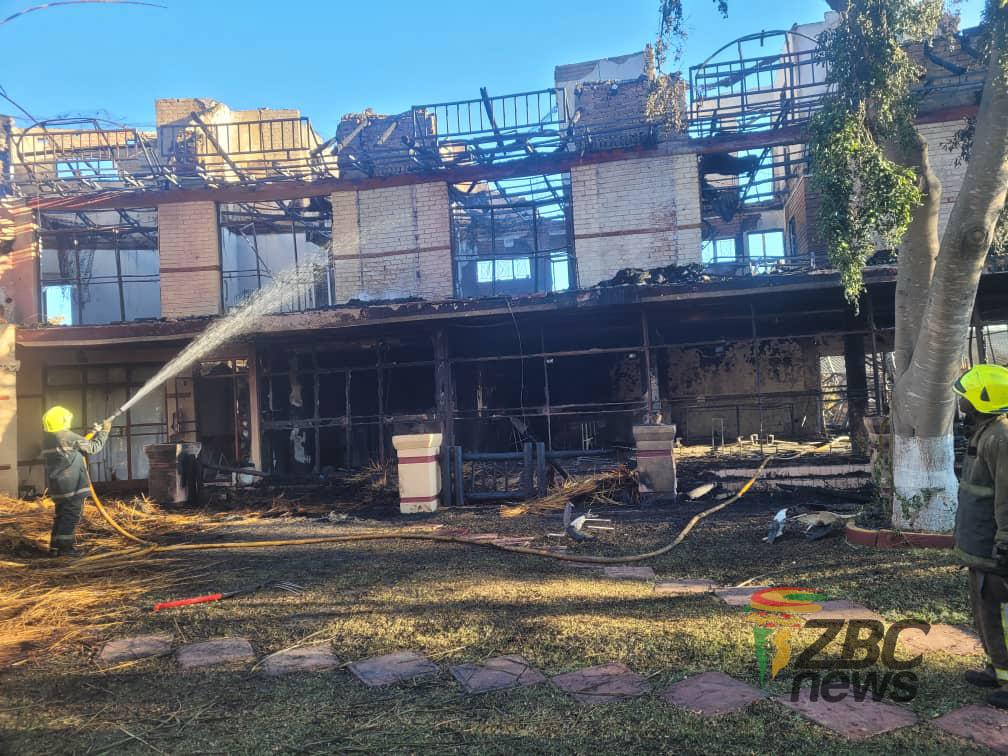
The increase follows a string of major fires that have caused extensive damage across the city, including the destruction of Fairy Café in February, a blaze that displaced families along Lobengula Street last week, and the recent fire that gutted more than 20 rooms at Lalani Hotel and Conference Centre.
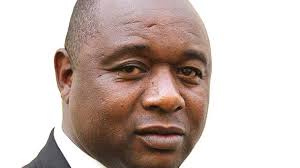
Bulawayo chief fire officer Mhlangano Moyo said faulty electrical wiring, overloaded sockets and poor workmanship were behind many of the incidents attended by the fire brigade.
“In the same period between January and June last year, we had 96 fires. Now we are sitting on 154, a 60 percent variance. Electrical faults in these buildings are the most common cause, ranging from faulty electrical wiring, overloaded sockets and extension cords to electrical sparks caused by poor workmanship and heaters left switched on during the night,” Moyo told ZimLive.
Other causes include negligence, unsafe handling and storage of gas, illegal fuel siphoning, children playing with matches, deliberate rubbish burning and carelessly discarded lit materials, he said.
Moyo said ageing buildings in the central business district were particularly vulnerable.
“Many of these buildings were constructed decades ago and some have deteriorated electrical wiring and structural features that allow fires to spread more quickly,” he said.
He said overloaded circuits, loose electrical connections, illegal electrical installations and power fluctuations were increasing the risk of fire outbreaks.
Moyo also blamed poor compliance with safety regulations, saying some buildings were not undergoing regular electrical inspections.
He singled out some properties around Fourth and Sixth avenues which have been converted to other uses without following the required procedures.
“We also see poor housekeeping practices, especially in some old flats and buildings that have been converted without proper regulations from the relevant authorities,” he said.
The fire brigade is also facing operational challenges, including traffic congestion and motorists who fail to give way to emergency vehicles responding to incidents.
“The motoring public does not adhere to emergency vehicles when attending calls. The attitude is no longer the same as in previous years,” Moyo said.
“In countries such as South Africa and Botswana, fire engines have designated emergency lanes. Heavy traffic is hampering smooth response in Bulawayo.”
He also expressed concern over delayed reporting of fires, saying some residents only contact emergency services after flames have spread significantly.
Moyo cited a recent incident in which the brigade received a report of a fire from a concerned parent in the United Kingdom rather than people at the scene.
The latest warning comes after three people were rescued from a fire at a residential block near the intersection of Lobengula Street and Fourth Avenue, while February’s Fairy Café blaze left dozens of workers without jobs and caused extensive property damage.
Moyo urged residents and property owners to conduct regular fire safety checks, install fire detection systems, avoid overloading electrical sockets and switch off appliances when not in use.
“Keep flammable materials away from heat sources, avoid overcharging batteries and ensure all family members understand basic fire procedures,” he said.