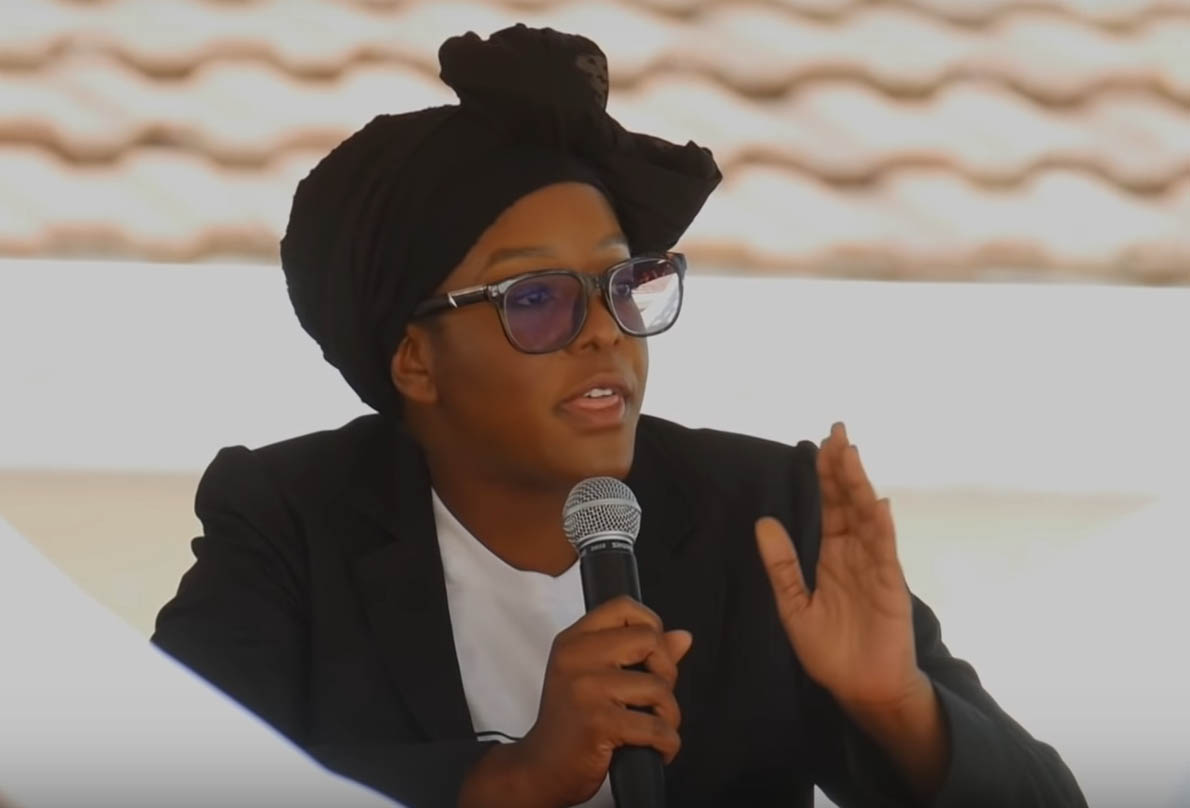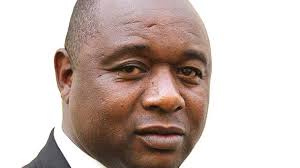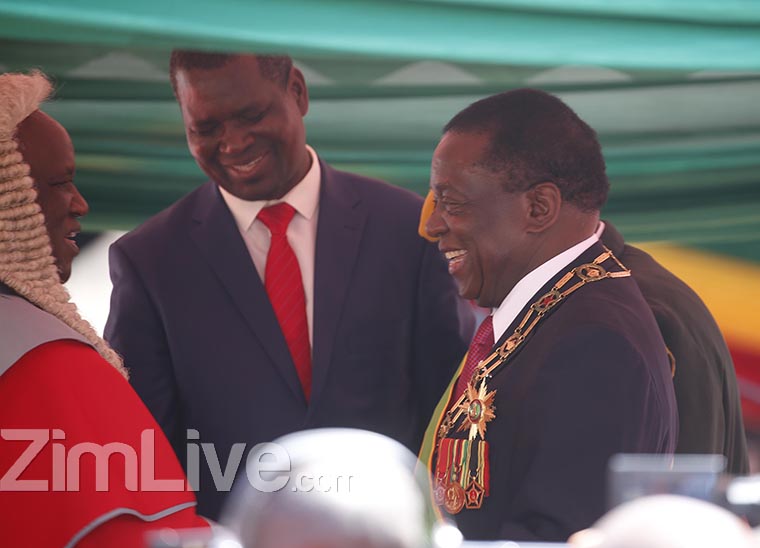
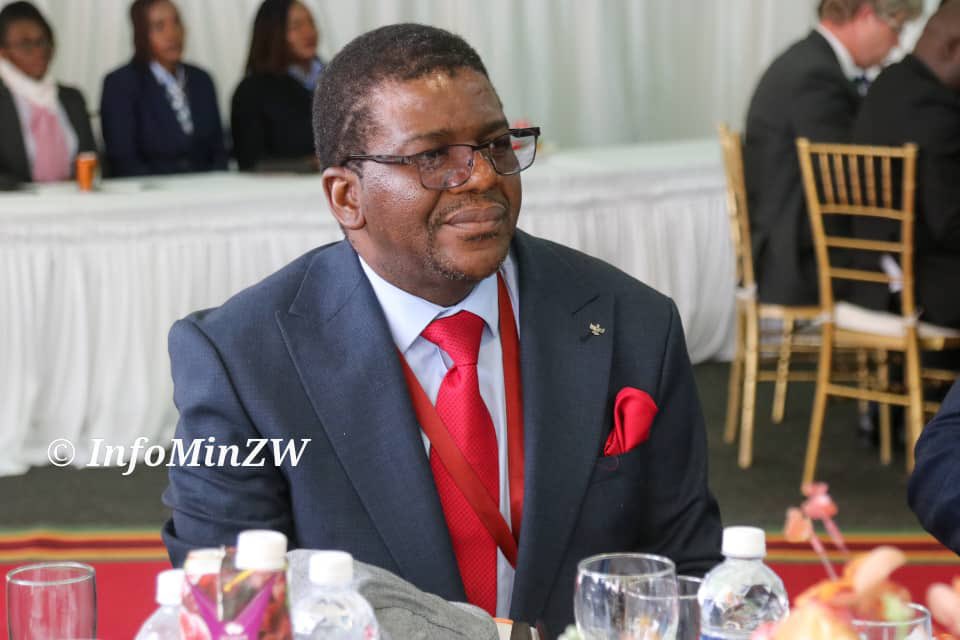
HARARE – Sengezo Tshabangu, the imposed leader of the opposition in parliament, used Wednesday’s third reading debate on the Constitution of Zimbabwe Amendment Bill (No.3) to press for by-elections to be suspended between general elections, arguing for a law change under which parties would simply fill vacancies themselves.
His intervention came as the Bill passed the Senate by 75 votes to four, with the bulk of the 27 senators occupying Citizens Coalition for Change benches voting in favour.
Tshabangu told the Senate that by-elections had “become a flashpoint of violence, division and a waste of public funds,” and proposed that parliament insert a transitional schedule into the constitution providing that when a parliamentary seat falls vacant, “the party that held the same nominees will replace the same candidate – no election, no division.”
For seats held by independent candidates, he proposed that the runner-up from the previous election would automatically take the seat, with the Zimbabwe Electoral Commission gazetting the replacement within 21 days.
“We want to return to the Government of National Unity (GNU) of 2008,” Tshabangu said. “Allow me to say we are serious about reducing the toxicity and cost of national elections. We must deal with mid-term by-elections.”
He recalled that under the 2008 Global Political Agreement, Zanu PF and the two MDC formations had agreed there would be no by-elections during the transitional period, with Constitutional Amendment Number 19 suspending them and vacant seats filled by replacement nominees from the party that had won the original contest.
“Balance was preserved, millions were saved, national toxicity dropped and governance continued,” he said. “That same spirit must guide the Constitutional Amendment Bill (No. 3).”
Tshabangu framed the proposal as fiscally prudent and as a way of honouring, rather than overturning, the popular will. The by-elections plank formed one part of a wide-ranging address in which he also backed automatic voter registration linked to national ID issuance, called for devolution of at least 15 percent of national revenue to provinces, and a constitutional mechanism for Gukurahundi-era reconciliation.
He invoked the rejected 2000 constitutional referendum, which had included presidential age and term limits, to argue against calls for the Bill to be put to a public referendum, telling the Senate that the failure of the 2000 vote meant Zimbabwe “lost generational change” and that history should not be allowed to repeat itself.
Tshabangu, who voted with the government, backed the extension of President Emmerson Mnangagwa’s term by two years, an extension that would also apply to MPs, senators and councillors. Direct presidential elections would also be scrapped and replaced by a vote by parliament.
“This clause is fiscally prudent. It is stability and respect [for] the mandate already given,” he said. “It sweeps away toxicity and electioneering so that we can focus on clinics, schools, jobs and Vision 2030,” he said, before urging senators to back the Bill.
Only a handful of senators occupying CCC-won seats voted against the Bill, with figures such as Kucaca Phulu, who has worked closely with Tshabangu since his recall campaign began, voting in favour.
Tshabangu’s position at the centre of Wednesday’s vote traces back to October 2023, when he declared himself the CCC’s interim secretary-general and began writing letters to the Speaker of Parliament, the President of the Senate and the minister of local government recalling MPs, senators and councillors he claimed had ceased to be CCC members.
With judicial backing and Zanu PF encouragement, he ultimately recalled over 30 MPs and senators while recalling over a hundred councillors nationally.
The CCC, then led by Nelson Chamisa, went to court to stop him, arguing Tshabangu had no constitutional standing within a party that, by design, had no registered constitution, membership list or governing structures – a deliberate choice by Chamisa at the party’s founding to avoid the legal vulnerabilities that had previously split the original MDC.
That same absence of formal structures, however, left the party unable to produce documentary proof in court that Tshabangu lacked authority to act in its name. The High Court dismissed the recalled lawmakers’ bid for reinstatement in November 2023, finding they had not shown a party constitution establishing that Tshabangu could not hold the position he claimed.
Tshabangu was sworn in as a proportional representation senator for Matabeleland North in March 2024, filling one of the seats vacated by his own recalls, and was appointed leader of the opposition in Parliament by Speaker Jacob Mudenda that May.
CCC figures who were recalled have characterised Tshabangu as a Zanu PF project deployed to neutralise an opposition that had performed strongly in the 2023 elections despite contesting without functioning internal structures. Tshabangu has consistently denied the claim, telling reporters at his Senate swearing-in that critics label anyone seen as diverging from Chamisa’s camp “a Zanu PF functionary,” and that his focus was on “bread-and-butter issues of national interest.”
Tshabangu went on to consolidate his hold over the party’s parliamentary representation, removing some CCC figures from leadership posts and installing his own appointees.
The net effect, more than two years on, is the dynamic visible in Wednesday’s vote: senators occupying seats won under the CCC banner in 2023 voting overwhelmingly with the Zanu PF government on a constitutional amendment that opposition critics elsewhere have characterised as entrenching executive power, with only four senators voting against.
The 42 CCC MPs and the four senators who refused to vote with the government fear they will be recalled and replaced – if Tshabangu can secure the no-contest guarantees he is seeking around by-elections.