HARARE – The European Union (EU) has suspended its US$5 million Zimbabwe Electoral Commission (ZEC) three-year grant following wide concerns over its poor handling of the just-ended Zimbabwean elections.
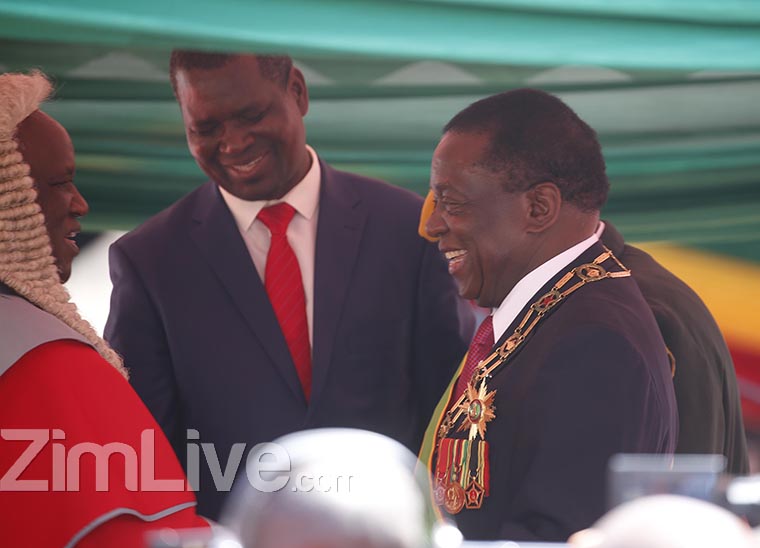
Zimbabwe’s controversial poll saw President Emmerson Mnangagwa re-installed for a second term in succession while his party Zanu PF kept its parliamentary majority.
The poll was however condemned by SADC, EU and other international observer missions for failure to meet both regional and international benchmarks set for it to be considered credible.
ZEC’s often opaque operations skewed in favour of the incumbent were found to be a major impediment to the running of a free and fair poll.
Similarly, Mnangagwa’s main opponent Nelson Chamisa of CCC, rejected the outcome of the poll he dismissed as a gigantic fraud.
In a Tuesday statement, EU announced it was withdrawing its grant based on the concerns raised by election observers on the poll.
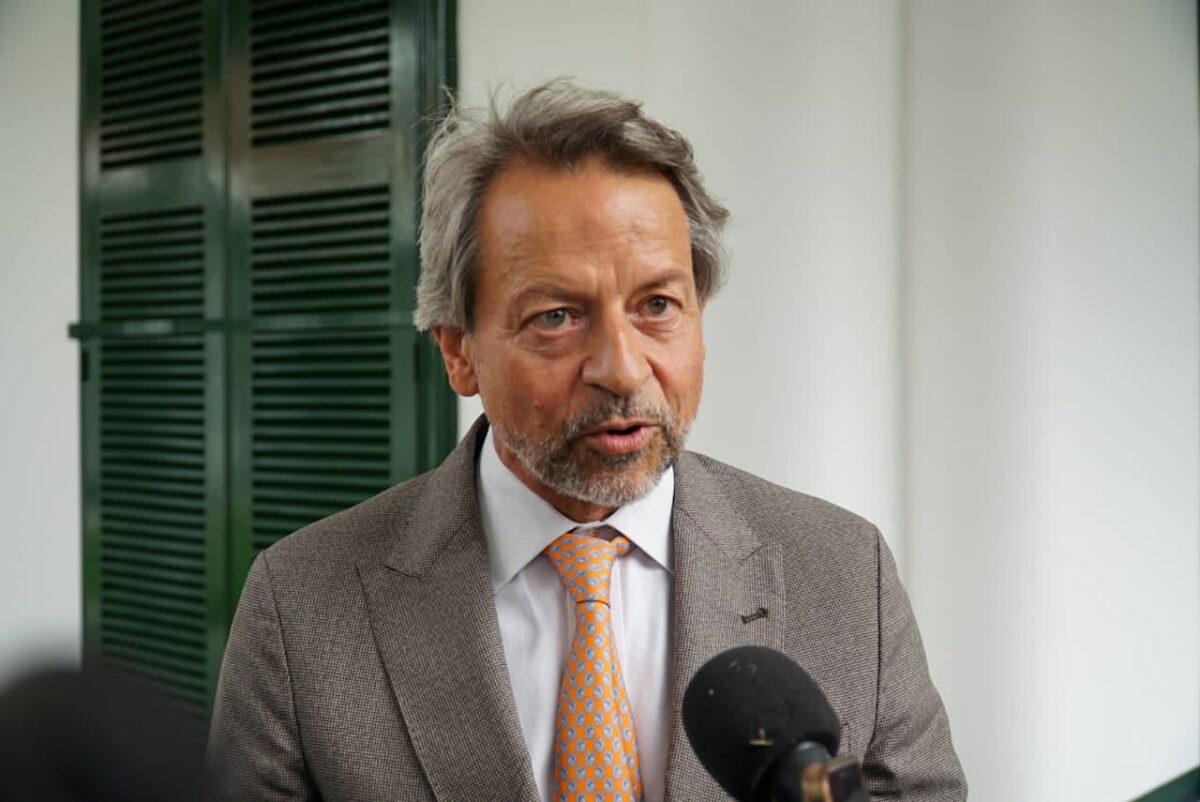
“The European Union (EU) has formally communicated its intention to suspend its 5 million USD financial support for the Zimbabwean Electoral Commission (ZEC) to both the Ministry of Finance and Investment Promotion and ZEC.
“The project supporting ZEC, which is managed by UNDP and scheduled to run until December 2024, is currently under scrutiny due to concerns raised by several international Electoral Observation Missions (EOMS) regarding the independence and transparency of ZEC during the 2023 harmonised elections.
“The recent preliminary statements from multiple EOMs, including the EU EOM, have raised concerns about ZEC’s management of the electoral process, particularly regarding its independence and transparency,” EU said.
In November last year, EU entered into an agreement with Zimbabwe’s finance ministry to fund ZEC in the tune of US$5 million with the United Nations Development Programme (UNDP) managing the fund.
Funds from the agreement termed the ZIM-ECO2 were meant to enhance ZEC’s capacity to conduct the electoral process, with the aim of contributing to the improvement of the entire electoral cycle, not limited to elections alone.
In December last year, EU officially entered into the ZIM-ECO2 project with UNDP in availing a total contribution of US$4.7 million, of which approximately 1 million Euros have been spent.
EU however said it would continue closely monitoring developments in Zimbabwe and reaffirming its commitment to collaborating with the government, independent commissions, civil society, and other stakeholders in promoting democracy, human rights and rule of law.