HARARE – Treasury has moved to defend the Office of the President and Cabinet (OPC) after its 2026 Mid-Term Budget and Economic Review Statement showed the office had spent 143 percent of its full-year allocation by the end of June, insisting the figure does not reflect OPC’s own operational spending or a budget overrun.
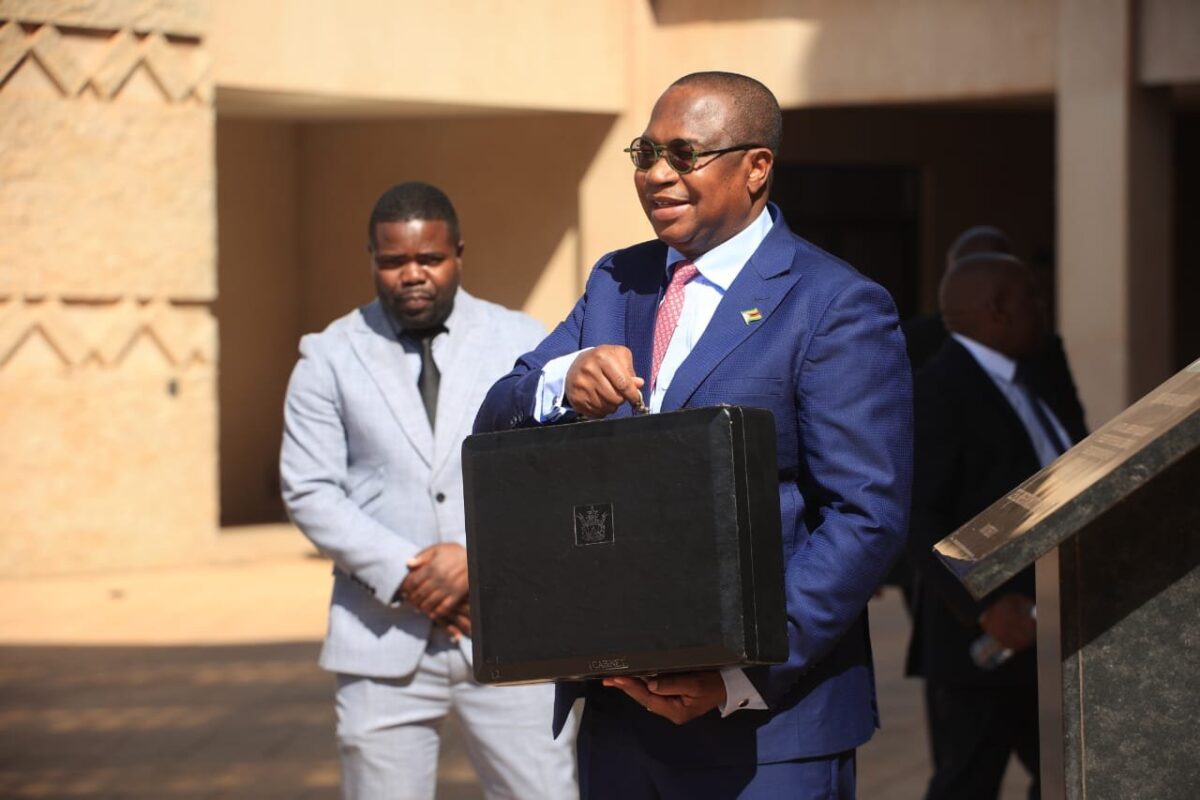
Finance minister Mthuli Ncube issued a statement on Friday to clarify that the reported utilisation “does not constitute operational expenditure by the Office of the President and Cabinet, nor does it constitute unauthorised expenditure or a budget overrun by the Office.”
He said the spending reflected government’s practice of centrally managing selected strategic national programmes and projects through the Office of the President and Cabinet, adding that “this arrangement enables the government to coordinate the implementation of cross-cutting programmes, accelerate project execution, strengthen oversight, and achieve greater efficiency in the utilisation of public resources across ministries, departments, and agencies (MDAs).”
Ncube said the expenditure covered priorities including refurbishing and upgrading hospitals, national social protection programmes, education and agricultural sector interventions, and digital economy projects.
“Expenditure incurred under these centrally managed programmes is initially recorded under the Vote of the Office of the President and Cabinet and then reallocated to the respective beneficiary ministries, departments, and agencies through the appropriate budgetary and accounting processes,” he said.
Figures from the Mid-Term Budget presented on Thursday show OPC spent ZiG17.18 billion in the first half of the year – almost 80 percent more than the health ministry, which used just 33 percent of its full-year allocation over the same period.
The transport ministry, meanwhile, spent ZiG5.05 billion against an approved budget of ZiG4.66 billion, a utilisation rate of 108 percent, reflecting ongoing infrastructure projects.
The government collected ZiG137.8 billion in revenue in the first six months of the year against total expenditure and net lending of ZiG123.6 billion, leaving a surplus of ZiG14.2 billion – meaning overall, government used less than half of its annual budget in the period.
Ncube said this “demonstrates the government’s continued commitment to prudent fiscal management.”
He urged the public, media and other stakeholders “to interpret the reported budget utilisation under the Vote of the Office of the President and Cabinet within the broader context of the government’s budget execution and public financial management processes,” stressing that the figure “should not be construed as expenditure solely attributable to the operations of the Office of the President and Cabinet.”
Ncube rejected characterisations of the spending as a “spending spree,” saying such references in some media reports were “inaccurate and misleading, if not mischievous, and was never mentioned in the minister of finance’s statement.”
He said government remained “firmly committed to fiscal discipline, transparency and accountability in the management of public resources,” and that all expenditure was subject to Treasury oversight, internal controls, audit and parliamentary scrutiny.