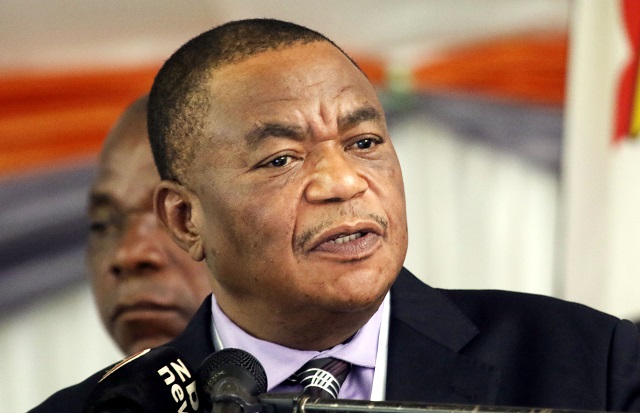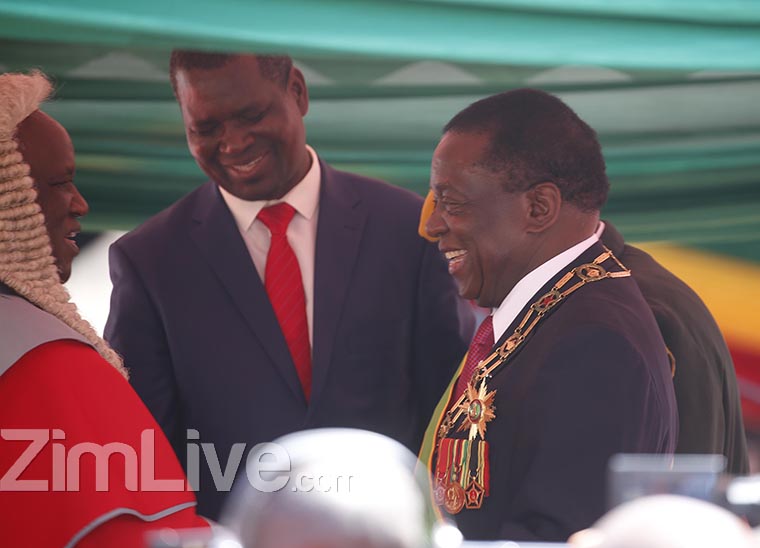

HARARE – President Emmerson Mnangagwa has exercised new powers granted under the recently enacted Constitution of Zimbabwe Amendment Act to appoint 10 senators, among them wealthy businessman and Zanu PF financier Kudakwashe Tagwirei.
The appointments were announced by Speaker of Parliament Jacob Mudenda in the National Assembly on Tuesday.
“Pursuant to Section 120(1)(e) of the Constitution of Zimbabwe, as amended, which provides for the appointment of 10 senators by His Excellency the President, chosen for their professional skills and other competencies, after consultation with the National Assembly, I have to inform the House that His Excellency the President is desirous of appointing the following as senators: Jabulani Sibanda, Mary Mliswa, Nokuthula Matsikenyere, Kudakwashe Tagwirei, Godwills Masimirembwa, Lucy Chitaga, Retired General Gibson Mashingaidze, Makhosini Hlongwane, Brilliant Dube and Irene Mutumbwa,” Mudenda told the House.
Masimirembwa is the Zanu PF chairman for Harare province, while Sibanda and Mliswa head the party’s structures in Bulawayo and Mashonaland West provinces, respectively.
The inclusion of Dube, a long-time opposition activist who recently held a senior position in the Constitution Defenders Forum, is likely to attract particular attention. The forum was one of the leading groups campaigning against Constitution of Zimbabwe Amendment Bill (No. 3), which Mnangagwa signed into law in July.
Her appointment under legislation she publicly opposed is likely to raise eyebrows among former allies.
Hlongwane, the former sports minister who fell out of favour following the military coup that ousted former president Robert Mugabe in 2017, also makes an unexpected return to the Zanu PF fold.
However, it is Tagwirei’s appointment that is likely to dominate political debate.
The Sakunda Holdings founder, who remains under United States and British sanctions, has long been viewed as a potential successor to Mnangagwa. He was the key financial backer of the campaign to amend the constitution and now emerges as one of the most significant beneficiaries of the legislative changes.
His elevation within Zanu PF has been equally striking. Earlier this year, the party waived membership requirements to fast-track his promotion to the central committee, citing his long-standing financial support.
Under the constitutional amendments, the president now has the power to appoint 10 senators on the basis of their professional skills and competencies.
The broader constitutional changes have proved highly controversial, with critics arguing that they fundamentally alter Zimbabwe’s political architecture. Among the changes are provisions extending the tenure of elected officeholders beyond 2028 and replacing direct presidential elections with a system in which members of the National Assembly and Senate vote jointly to elect the country’s next president.
For Tagwirei, securing a seat in the Senate places him at the centre of the political process at a time when succession battles within Zanu PF are intensifying.
With vast financial resources built largely through lucrative state contracts and growing influence within the ruling party, Tagwirei now appears better positioned than ever to shape the contest to succeed Mnangagwa.