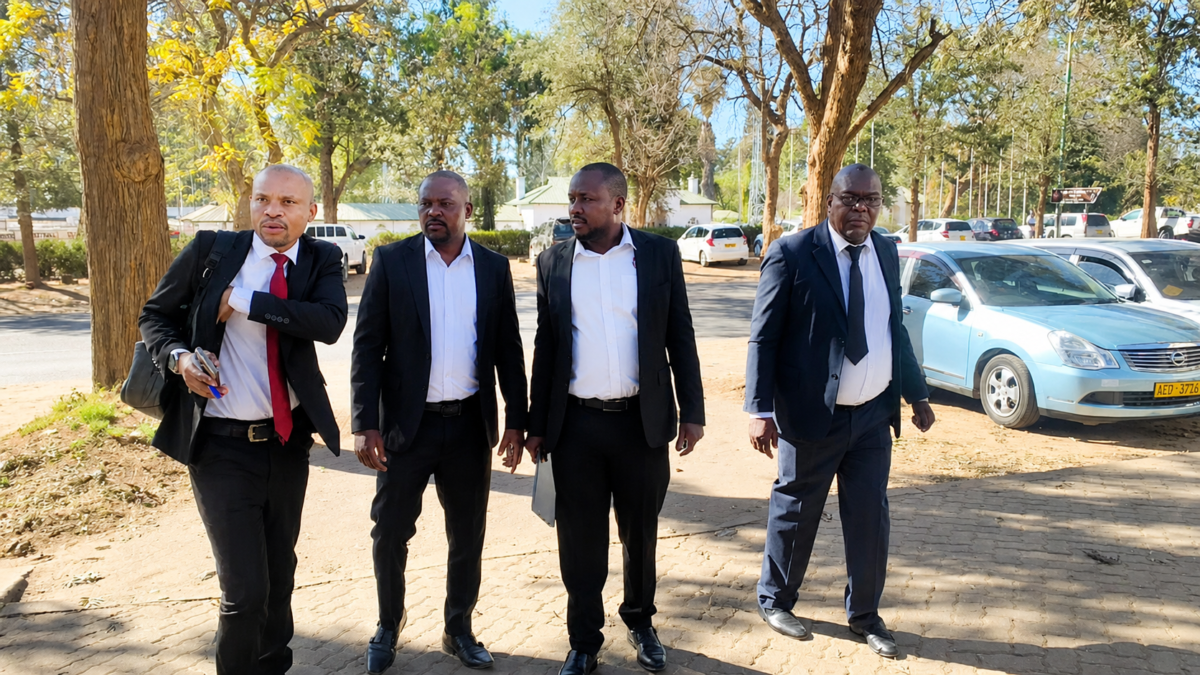
HARARE – Chartered accountant Ngoni Kudenga and former Harare mayor Muchadeyi Masunda face scrutiny after the High Court ordered a full, independent forensic audit of the operations, accounts and financial records of the Oliver Mandishona Chidawu Trust following complaints of alleged misgovernance and abuse of trust funds.
Justice Samuel Deme of the Harare High Court issued a mandatory interdict against the trustees, Kudenga and Masunda, ordering a forensic audit of the trust’s operations, accounts and underlying financial records dating back to January 1, 2022.
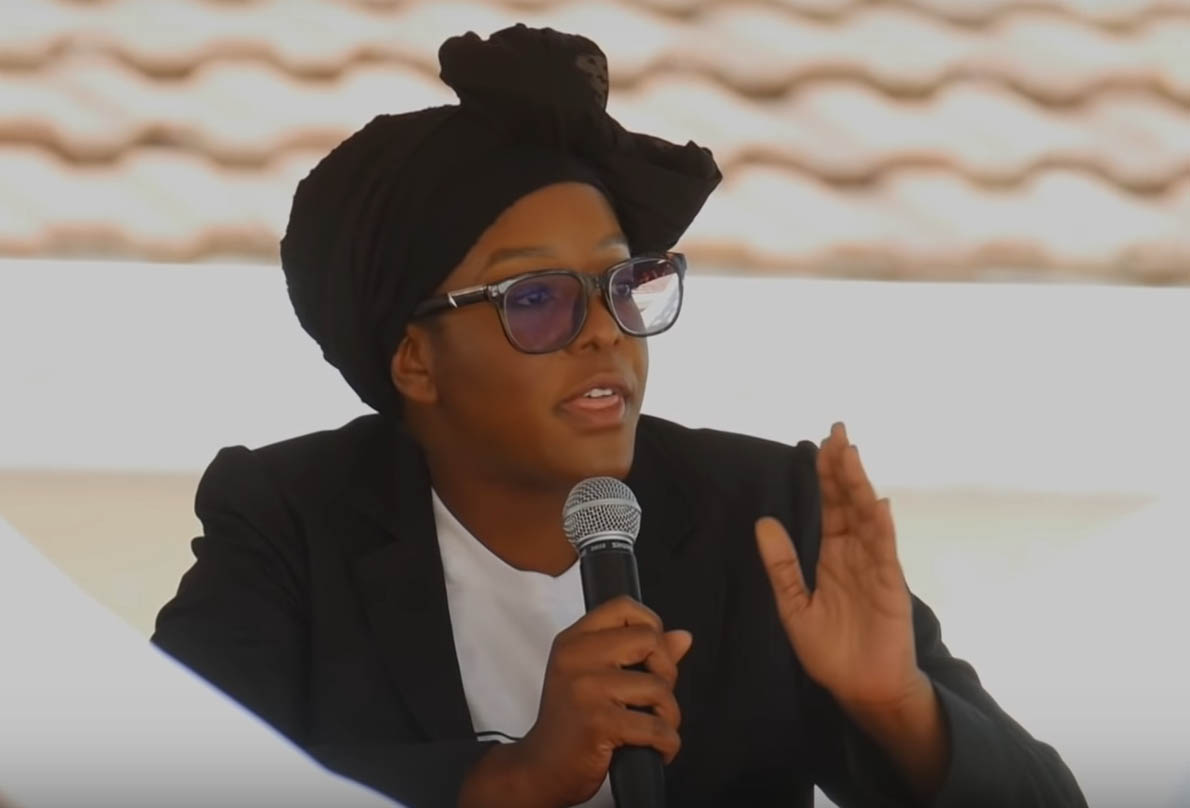
The August 3 order followed an application by Ropafadzo Sibusiso Chidawu, a beneficiary of the trust, who accused the trustees of failing to account for its administration and raised concerns over its governance, financial transactions and management of assets.
Unlike a routine financial audit, which primarily verifies the accuracy of financial records, a forensic audit involves a detailed examination of transactions and records to identify possible fraud, theft, misappropriation or other irregularities, and may be used as evidence in legal proceedings.
“The court application for a mandatory interdict be and is hereby granted,” Justice Deme ruled.
“The applicant be and is hereby authorised to appoint, within fourteen (14) days of this order, a firm of independent forensic auditors duly registered with the Public Accountants and Auditors Board of Zimbabwe, to conduct a forensic audit of the Oliver Mandishona Chidawu Trust. The applicant shall notify the respondent of such appointment within five days of such appointment.”
The judge ordered that the audit cover all income, expenditure, assets, liabilities and transactions of the trust from January 1, 2022, to the date the audit begins.
Kudenga and Masunda were directed to give the appointed auditors full access to trust records, books of account, bank statements, company documents and any other information reasonably required to complete the audit.
The ruling brings under judicial scrutiny a bitter dispute that has simmered since the death of Chidawu, a former provincial minister for Harare, in July 2022.
Ropafadzo accused the trustees of shutting beneficiaries out of the affairs of the trust and withholding financial and governance information despite repeated demands.
In her application, she said the trustees had consistently refused to provide financial records, governance documents or explanations despite formal requests made through lawyers and direct correspondence between 2022 and 2025.
Ropafadzo described the situation as an “informational black hole”, which she said had been created by the trustees’ alleged three-year refusal to account for the trust.
She also alleged that there had been significant transactions involving assets purportedly belonging to the trust, including the unexplained sale of a farm reportedly valued at US$2 million.
She further alleged that companies linked to the trust had been used as security to cover personal debts.
Ropafadzo also raised concerns over an application to exhume her late father from a property under the trust’s control, which she said was made without proper consultation or justification.
She argued that trustees had a fiduciary duty not only to keep proper records but also to account to beneficiaries when called upon to do so.
That duty, she said, required trustees to “present, explain, and justify” their administration of the trust.
In an affidavit before the court, Ropafadzo said the dispute had not been triggered by a single transaction but by what she described as a sustained breakdown in the relationship between beneficiaries and trustees.
She described the trustees’ assertion that she had never made a proper request to inspect the trust’s books as “cynical and malicious”, arguing that it amounted to a technical attempt to avoid their substantive obligation to account.
She also referred to correspondence calling for Kudenga’s resignation over allegations of “gross negligence” and “dishonesty”.
Ropafadzo argued that a demand for a trustee’s resignation based on alleged maladministration necessarily required the trustee to explain and account for the conduct complained of.
The forensic audit is expected to provide an independent examination of the trust’s financial affairs and transactions and could shed light on the allegations raised in the dispute.