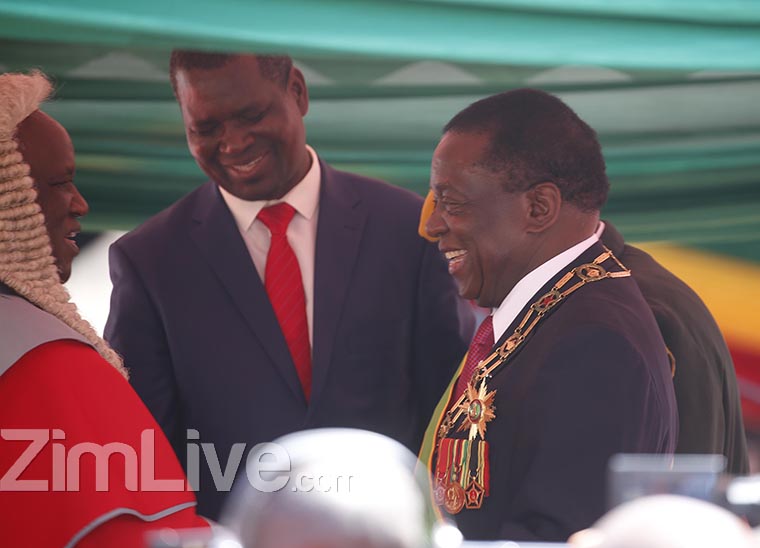
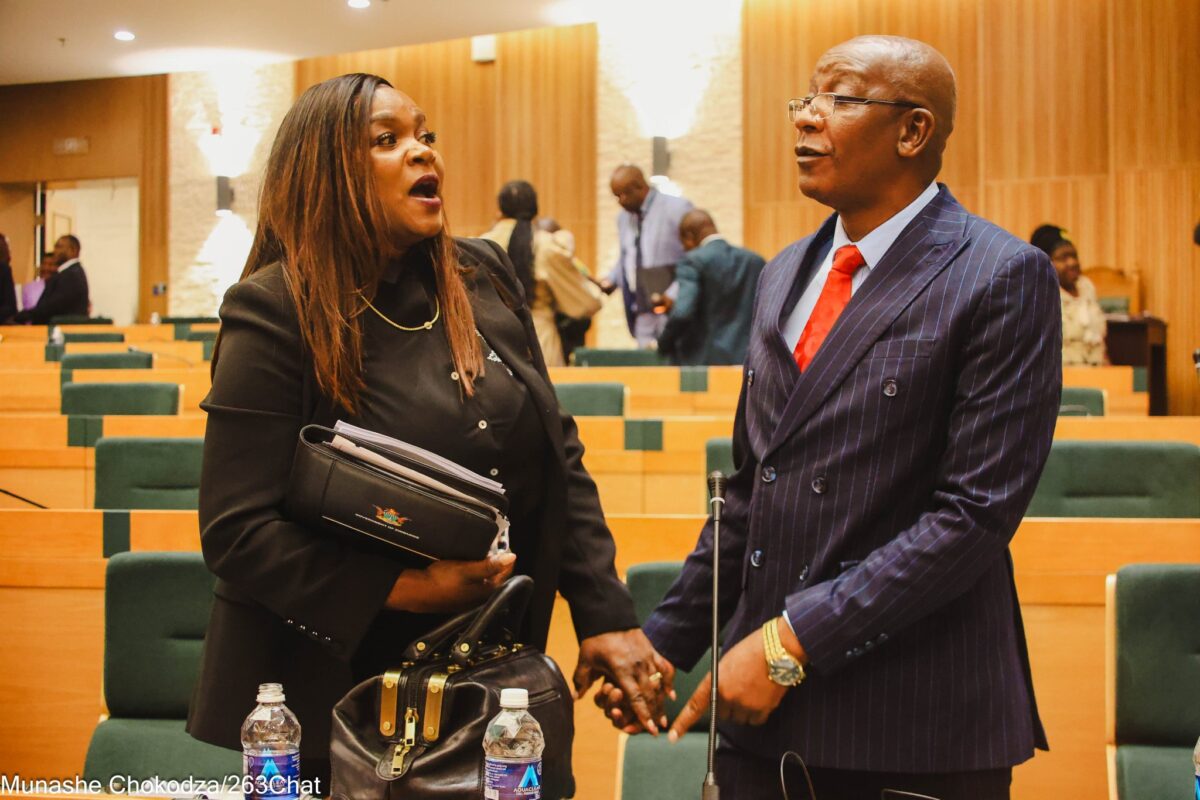
HARARE – The National Assembly passed a bill to extend presidential terms from five to seven years on Thursday, which would allow President Emmerson Mnangagwa to remain in power until 2030.
Some 216 MPs voted in favour of the draft legislation, passing the 187 mark needed for a two-thirds majority. In opposition were 42 Citizens Coalition for Change lawmakers, although 35 others voted with the government.
The bill now moves to the Senate, upper house of parliament, where it is also expected to sail through as Mnangagwa’s Zanu PF party controls it through traditional leaders and other proxies who generally vote with the party.
Mnangagwa came to power after a 2017 military coup ousted longtime leader Robert Mugabe, who had been in power since independence in 1980.
Until they fell out in the months leading up to the coup, Mnangagwa was one of Mugabe’s closest lieutenants, serving in top government positions including vice president.
Some activists and veterans of the country’s liberation war launched court challenges against the plan to extend Mnangagwa’s time as head of state, but they were struck off the court roll this week for technical reasons.
Other African countries whose leaders have changed the law to stay in power for longer include Cameroon and Uganda, entrenching a trend on the continent where some of the world’s oldest leaders govern its youngest populations.