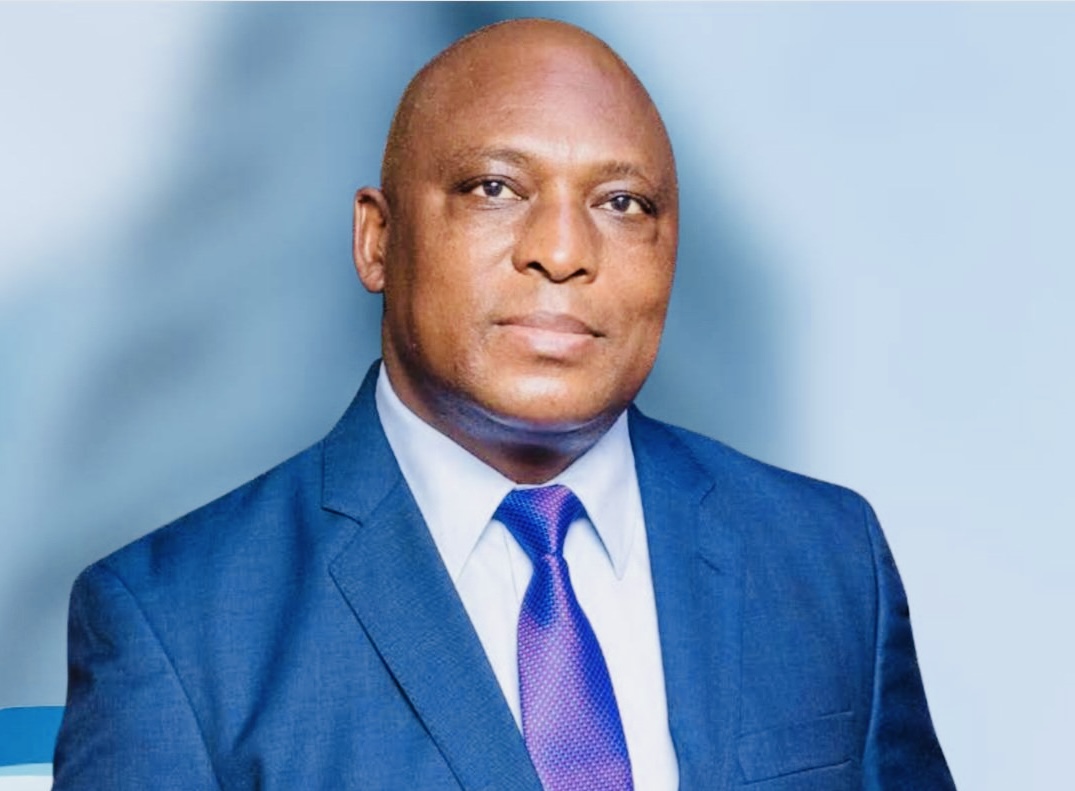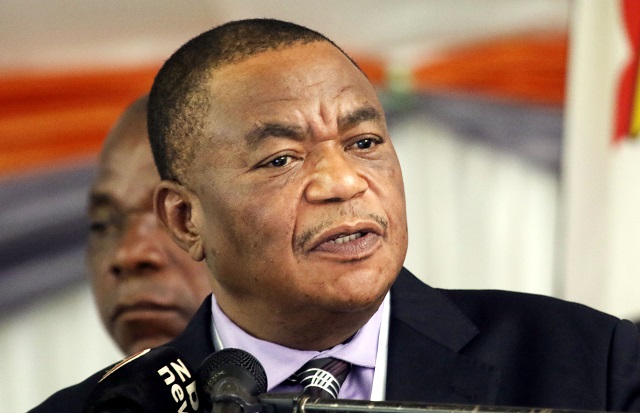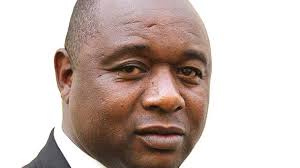
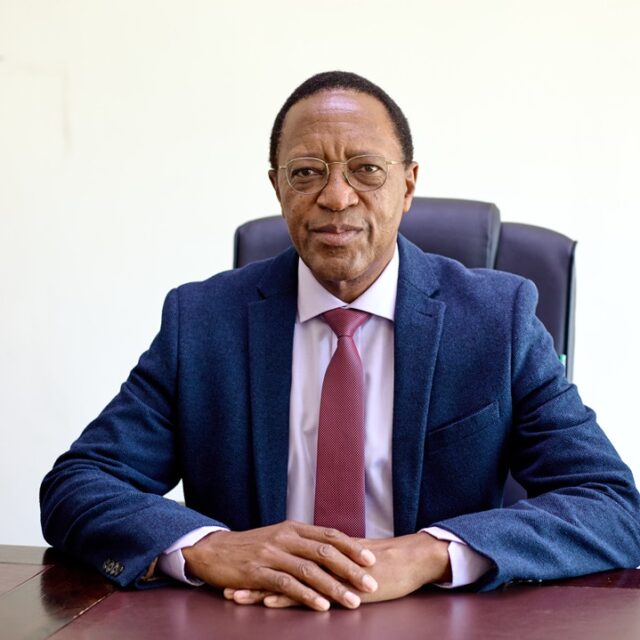
HARARE — John Musekiwa, the president of the Chamber of Mines of Zimbabwe, broke down in tears and quit mid-meeting on May 28, declining an endorsement he had already received and plunging the industry body into a leadership crisis that sources say bears the hallmarks of a deliberate conspiracy.
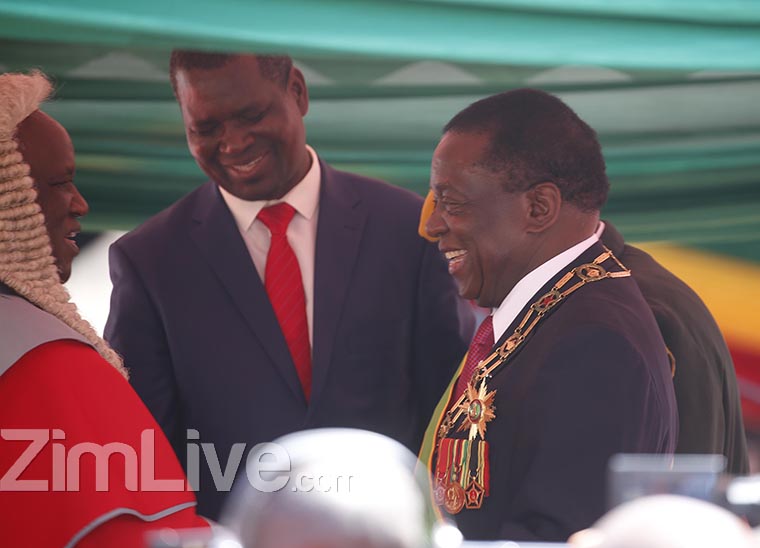
The previously unreported developments come on the eve of the Chamber’s Annual Mining Conference and Exhibition, which opens in Victoria Falls on Wednesday, with the newly installed president, Fungai Makoni, the managing director of platinum miner MIMOSA, expected to preside over the four-day gathering.
The dramatic scenes unfolded during an online Annual General Meeting (AGM) attended by 34 paid-up members – a gathering that was supposed to be a formality.
ZIMASCO CEO Musekiwa, his first vice president Munashe Shava – the administrator of Hwange Colliery – and second vice president Makoni had all been nominated three weeks earlier and, in keeping with Chamber tradition, were expected to be endorsed without contest.
Under the Chamber’s leadership structure, the president and his two deputies each serve two consecutive one-year terms. Succession follows the same hierarchy: the first vice president is expected to ascend to the presidency in due course, with the second vice president rising behind him. Musekiwa’s abrupt departure upended that succession ladder.
Traditionally, after uncontested nominations, there has never been an election for the president and the two deputies. But a veteran mining executive, who is also a past president, intervened the moment endorsements were put to the floor, demanding that each candidate be voted on individually.
“The intervention came as a surprise because, traditionally, the top three never go through an election after uncontested nomination, even though this is something that is provided for in the constitution,” said a senior mining industry executive who attended the meeting.
Lawyers were on hand, a detail that struck several attendees as suspicious.
“The lawyers were ready to explain this unusual occurrence,” the executive added.
Musekiwa was put to the vote and endorsed. Then the same past president intervened again, insisting Musekiwa be given the opportunity to accept or decline. What followed shook the meeting.
At that point, Musekiwa is said to have broken down before announcing that he was declining the endorsement, citing health reasons. The million-dollar question, sources said, is why he waited until that moment to withdraw.
His departure immediately triggered a constitutional puzzle. With the presidency vacant, the second vice president, Makoni, was put forward for the top post ahead of first vice president Shava – itself an unprecedented move for the Chamber.
Procedural wrangling followed as Shava and Makoni were locked in an election. Questions were raised about the absence of auditors to oversee the vote, only for it to emerge that auditors were already present.
“Someone raised questions about logistics for the elections, such as the need for auditors, but to our surprise auditors were present, and this was also odd,” another executive said.
An initial proposal to vote by a show of hands was abandoned after concerns were raised.
“Initially, they said voting would be done through a show of hands, but some were uncomfortable and eventually it was decided that voting would happen through email,” the executive said.
What followed made the email vote itself suspect, a source said. Some attendees are alleged to have used the confusion to campaign actively, with Shava reportedly targeted by a de-campaigning effort orchestrated by an executive from one of Zimbabwe’s leading platinum miners.
A vote that normally takes less than ten minutes dragged on for over 45 minutes.
“We have established that people who had voted in a certain way were coerced to change their positions, and they rewrote emails indicating that they were switching candidates,” one executive said.
“As more information comes to light on what happened behind the scenes, it points to a huge scandal.”
Makoni was eventually elected the Chamber’s new president. That outcome meant Shava retained his first vice president post rather than ascending to the presidency in line with the normal succession order.
However, Shava subsequently resigned, sources said, because he believed the process had been manipulated.
Musekiwa and Shava both declined to comment.