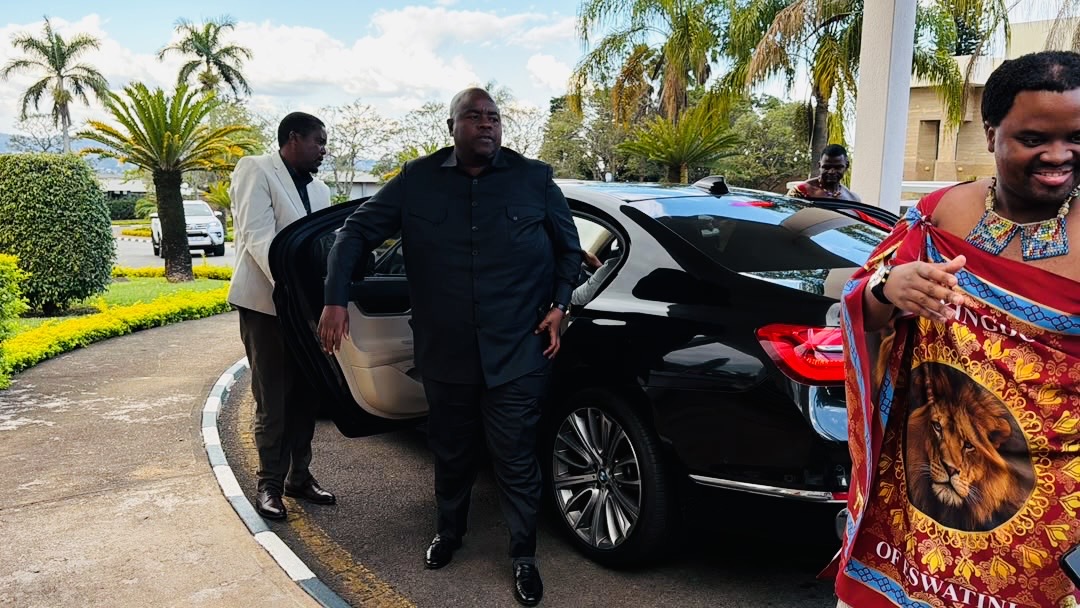
MBABANE, Eswatini – King Mswati III of Eswatini granted Zimbabwean businessman Wicknell Chivayo citizenship and presented him with a diplomatic passport in recognition of his philanthropic work across Africa, the Eswatini government said in a statement on Tuesday.
In the same announcement, the government revealed that Chivayo had committed, through his Mauritius-headquartered company, Intratrek Holdings, to invest R3 billion (about $182 million) towards a 300-megawatt solar project in Eswatini, to be developed as an independent power producer on 120 hectares of land made available by the king.
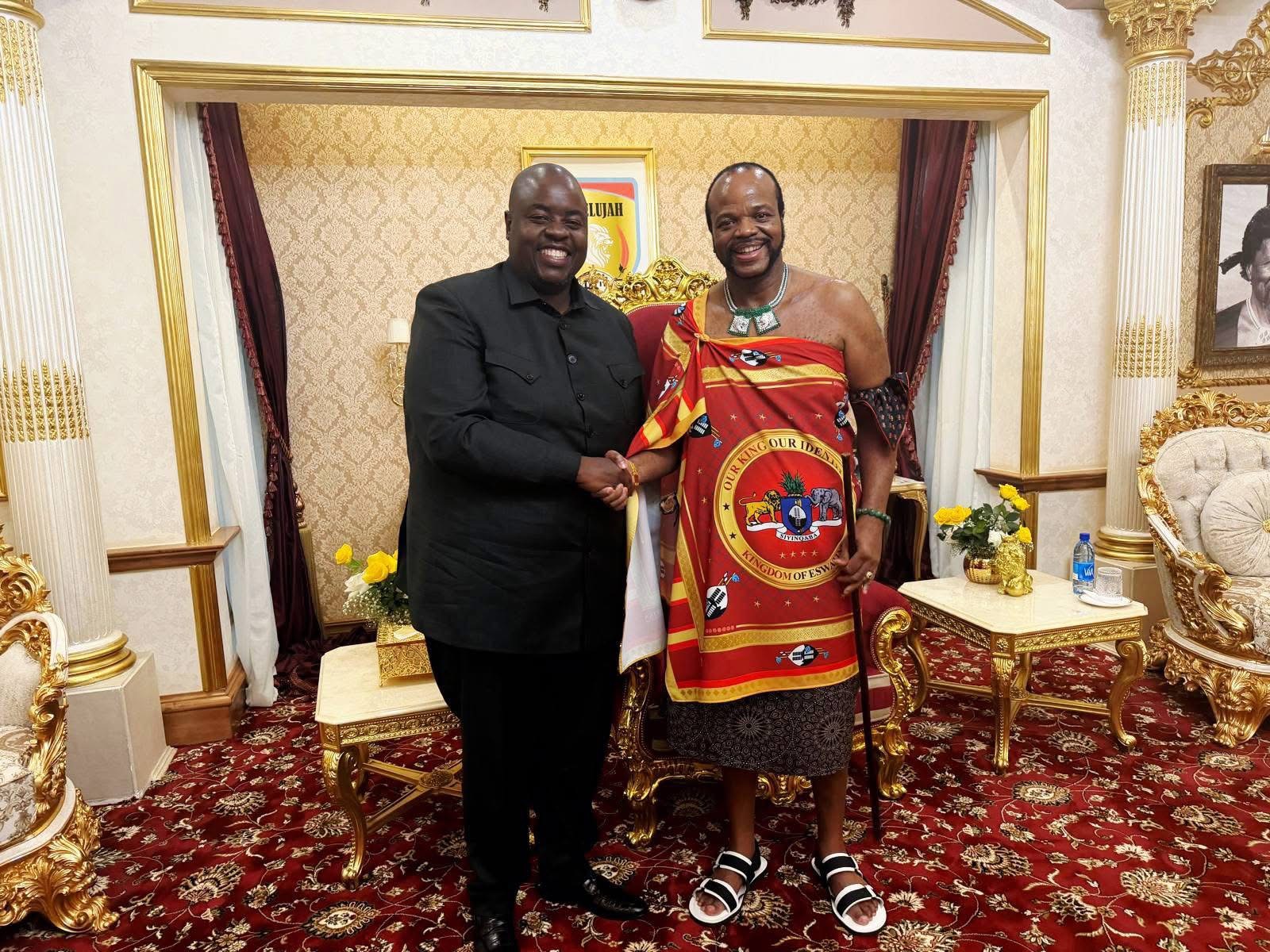
The statement said the king hosted Chivayo, whom it described as a “prominent Zimbabwean businessman, investor, billionaire philanthropist and renewable energy developer,” for discussions centred on investment, infrastructure development and renewable energy opportunities in the kingdom.
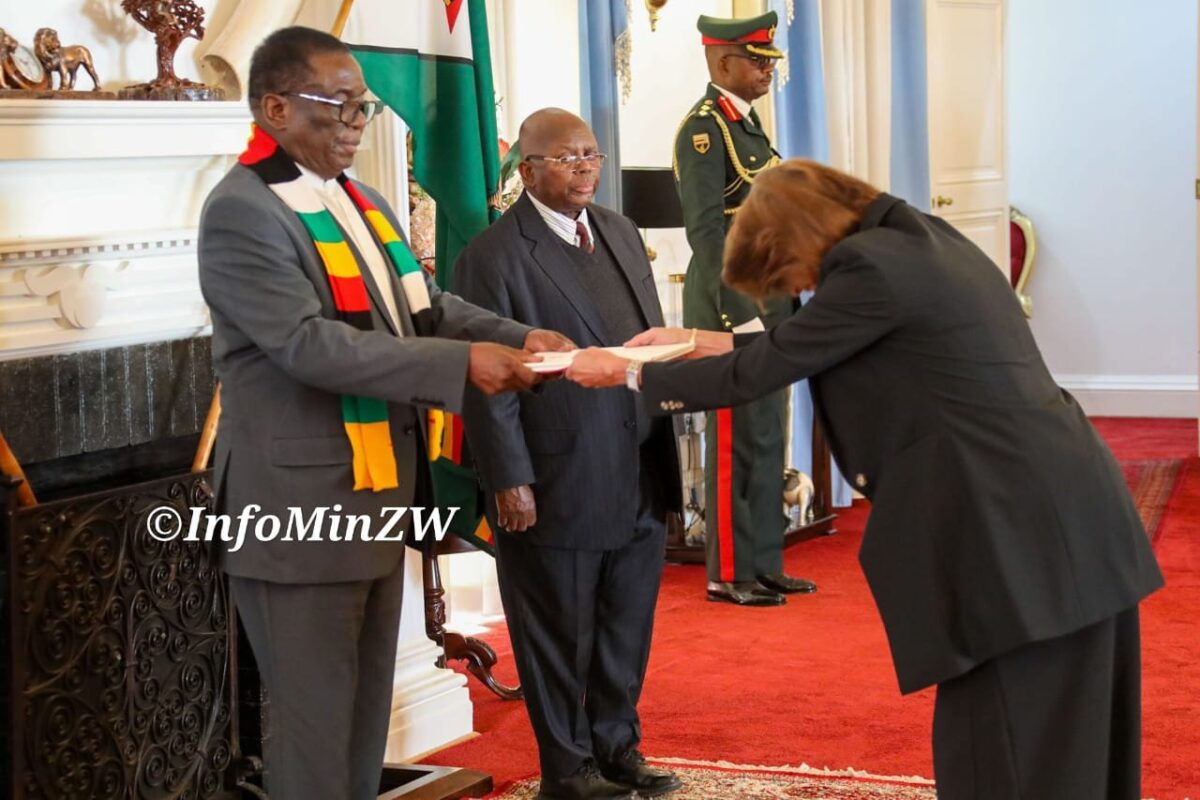
“In recognition of Mr Chivayo’s philanthropic contributions in Zimbabwe and across the African continent and commitment to supporting socio-economic development initiatives within the kingdom, His Majesty granted him Eswatini citizenship and presented him with a diplomatic passport,” the government said.
The king “further welcomed Mr Chivayo’s interest in supporting the kingdom’s developmental agenda through strategic private-sector investment and renewable energy development,” according to the statement, which added that Chivayo had expressed his “profound appreciation” for the honour.
The solar project is expected to “contribute significantly towards enhancing the kingdom’s energy security and supporting long-term industrial and economic growth,” the statement said.
Chivayo’s visit to Eswatini was facilitated by Prince Lindani, the government said, adding that the businessman’s interests span renewable energy, thermal and hydro power generation, infrastructure development, engineering and road construction across the continent.
It said he had committed more than US$200 million over the past year towards humanitarian and philanthropic initiatives in Zimbabwe and across Africa.
The king and the Eswatini government “welcome strategic private-sector investment of this nature, which is expected to contribute towards economic growth, employment creation, infrastructure development and the strengthening of the kingdom’s bilateral trade,” the statement said.
Chivayo had already disclosed the citizenship grant and diplomatic passport on his Facebook page following a private audience with the king at the Royal Palace in Ezulwini on June 18, describing it as one of the most significant moments of his career and saying the king had accepted him as “his young, fellow African son.”
Eswatini’s royal spokesperson, Percy Simelane, said this week that Chivayo’s diplomatic status stood despite scrutiny of his past legal troubles in Zimbabwe, telling local media that issuing of passports was handled at ministerial level and that, in the absence of a court document disqualifying him, his status remained unchanged.
Chivayo, through his company Intratrek Zimbabwe, has won state contracts worth close to US$1 billion in Zimbabwe, mainly in the energy sector, and is a prominent financier of the ruling Zanu PF party and an ally of President Emmerson Mnangagwa. He has faced sustained scrutiny over the award of those contracts, allegations he denies.
The Eswatini citizenship is the latest in a string of honours Chivayo has collected from African heads of state, having previously been hosted by Kenya’s William Ruto as well as Tanzania’s Samia Suluhu Hassan, Malawi’s Peter Mutharika, Mozambique’s Daniel Chapo and Nigeria’s Bola Tinubu.