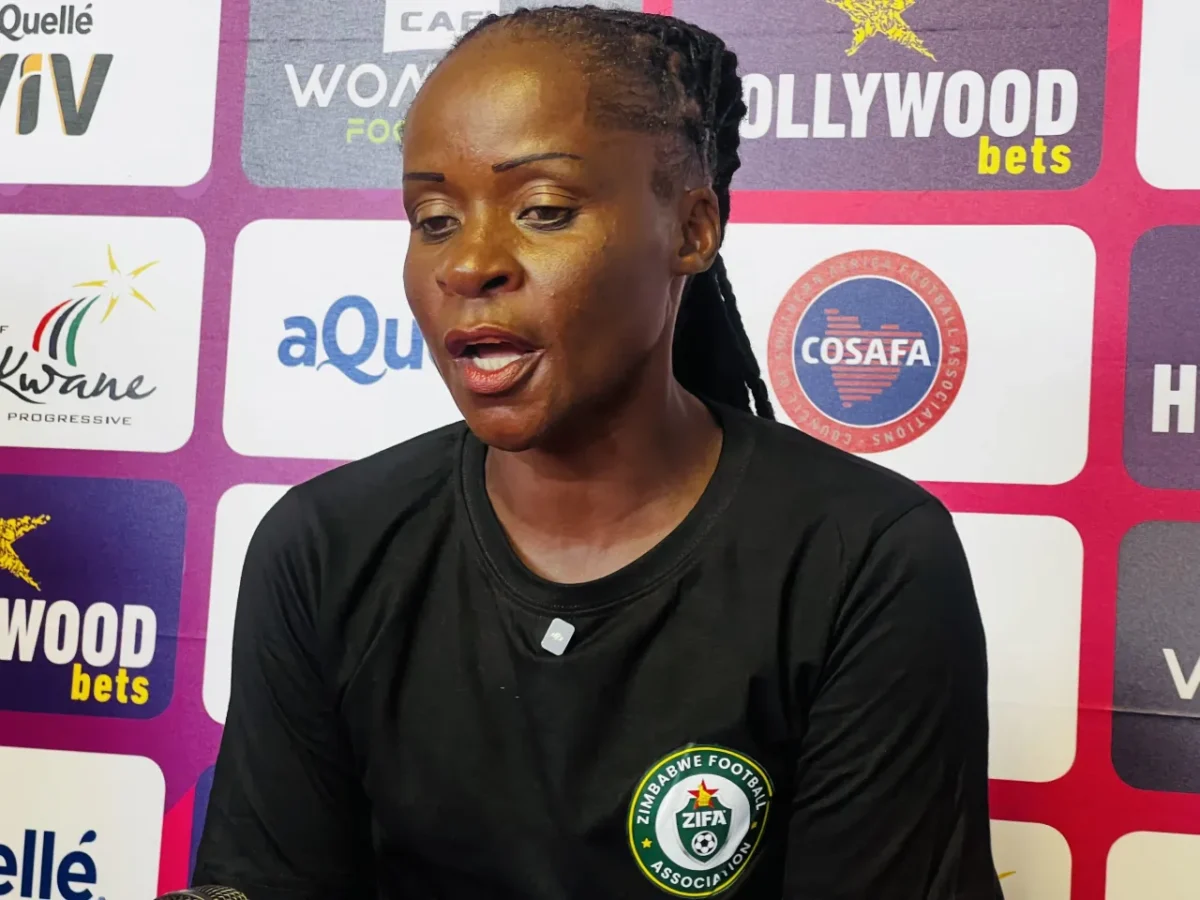
MANCHESTER, England – Every team in a FIFA women’s competition will be required to have at least one female head or assistant coach, part of sweeping new regulations from soccer’s governing body aimed at boosting the number of women coaching at the highest levels.
The regulations, approved by the FIFA Council on Thursday, come into effect with this year’s U-17 and U-20 Women’s World Cups and the Women’s Champions Cup, and significantly will include the Women’s World Cup next year in Brazil.
The new regulations stipulate each team must have two female staff on the bench and will cover all FIFA women’s tournaments, from youth to senior level.
“There are simply not enough women in coaching today,” said FIFA’s Chief Football Officer Jill Ellis. “We must do more to accelerate change by creating clearer pathways, expanding opportunities, and increasing the visibility for women on our sidelines.
“The new FIFA regulations, combined with targeted development programmes, mark an important investment in both the current and future generation of female coaches.”
Only 12 of the 32 head coaches at the 2023 Women’s World Cup in Australia were women, a proportion FIFA says does not reflect the rapid growth of the women’s game globally.
England’s Sarina Wiegman was the only female coach remaining after the round of 16, and went on to guide the Lionesses to a runner-up finish.
FIFA’s Member Associations Survey in 2023 reported that an average 5 percent of coaches in each of their member associations – among both male and female teams – were female.
A Benchmarking Report that surveyed 86 women’s leagues across the globe found that 22 percent of head coaches were female.
FIFA said the new rules are part of a long-term strategy to ensure that representation of women in technical and leadership roles keeps pace with the rapid growth of the women’s game.
The global organisation has increased support for women’s coaching in recent years, including, among other initiatives, providing scholarships for females in the Women’s Super League 1 and 2 to obtain their UEFA Pro or A licence. – Reuters