
I WAS probably among the first, if not the very first, to be offered a gift by our friends in Zanu PF. At that time, there was no noise. No pattern. No obvious design. No programme in sight. It seemed, quite simply, to be a gift, offered by a friend through a third party. Convenient, too, because as they say, cash has no memory.
I was uncertain about what to do. The person extending the offer had, over time, maintained a cordial relationship with me through both the highs and the lows. Perhaps this is something not widely understood, though it is not difficult to discern: a person like me is often more admired by some in Zanu PF than by officials in the opposition.
Those in the opposition often fear that I seek to occupy their space. Those in Zanu PF, on the other hand, understand that if the tables turn and the monster turns on them, they may yet find legal protection if I choose to fight on their side. This is not speculation. Lawyers are bribed and intimidated, yes, but not all of us are. It is also worth mentioning that there are some in Zanu PF who disagree with its ways and who are happy for us to push back in the manner we have been. They truly wish us well and assist behind the scenes.
So the offer placed me in a difficult position. It was not being made by an enemy; not my enemy at least. It was being made by someone with whom I profoundly and vehemently disagree on political matters. Yet it did not appear, at least on the face of it, to be made in the name of politics. We are taught from a young age never to refuse a gift but also, if the giver turns out to be a witch, to dispose of it once they have gone.
So I consulted my ecosystem.
The very fact that I sought counsel speaks to the dilemma I found myself in. Fortunately, the dilemma was never publicly acknowledged at the time. We are presented with quandaries other men might never face for the rest of their lives. The responses I received were many:
“Take it, and if you are not comfortable keeping it, give it to charity. That way, some good will still come out of it.”
“You can’t seriously be considering that, Thabani. Those funds are tainted. No good can come from putting them to use. Let the giver put them to good use himself.”
“Come on, Thabani. He said ndeye drink.”
“Idrink rudzii Thabani inotenga mota?”
I immediately regretted consulting my ecosystem. Everyone was saying something different, and yet each position seemed to carry some measure of sense. Each was offered in good faith. Each had my best interests at heart. None was posturing. None intended to claim credit for the eventual decision, because all of this was being discussed in private.
But I still had to decide and decide correctly.
The fact that those close to me were divided troubled me. This had suddenly become more important than I had first thought. If it was a moral issue, I did not want to make the wrong moral choice. If it was a matter of principle, then much would depend on the decision I was about to take.
What changed everything for me was the thought that this conflict had triggered:
“What if this is the beginning of something? Do I really want to be the reference point?”
At that moment, the decision became clear. I would disclaim the gift, but I would not impute motive to the giver. I had no basis for doing so. I am trained to separate analysis from fact. Incidentally, when the third party brought the gift, I told him to take it back. So I had nothing in my possession. In the end, I communicated my decision: I was disclaiming, respectfully. I wrote accordingly. What I wrote will remain private. I stand by that decision and will never take a different one come hell, come shine.
My stance was not well received. I was accused of seeing political subterfuge in an act of brotherly love. I was becoming difficult to live with because of politics. I had forgotten, it was said, that I have relationships outside politics.
And perhaps that, too, was true (But that with respect, can never be dispositive).
All of it made sense. I am a person before I am a political being. Some of those closest to me, including members of my own family, do not share my political views. That, however, did not alter my stance. If anything, it strengthened it.
Today, I look back on that episode in the context of the animated discussions it has generated. I want, honestly and without pretense, to face the uncomfortable questions.
Did I make a moral decision, or did I take a principled position? Is that the decision expected of everyone, or must we acknowledge that our circumstances differ? Is this a conversation that should be possible in a normal country or is it simply a reflection of how deeply polarised we have become? Will this matter still carry the same weight in ten years, or are we overestimating its permanence?
I would be a fool to prescribe a universal solution notwithstanding that I have clear position on the matter. The clever have an answer for everything. The wise know that life is rarely black and white; there are always shades of grey. As for me, I insist that I made a personal decision, and for that reason, I concede to everyone else the right to make theirs. I must however, be emphatic, I think I made the correct decision and I stand by it.
That said, one thing remains indisputable: this country needs leadership. It needs people prepared to embrace the uncomfortable.
It needs men and women of moral courage; people who will not only lead, but reassure our people that there is still a difference between right and wrong. Indeed there is.
It needs men and women of principle, people capable of taking positions that may lead to penury but who still refuse to flinch. Those who raise their hands and assume public responsibility must, quite justifiably, be held to higher standards. They must embrace the pain and live with it.
And in the end, this country needs commentators who understand that they can get things wrong, and who are willing to make room for that possibility. Commentators who know that we cannot all be required to account for our decisions including their push factors because decisions are seldom made in a vacuum. Some are ethical. Some are professional. Others are shaped by the realities of our lived experience(s).
Through it all, Zanu PF must never be allowed to corrupt our moral fibre.
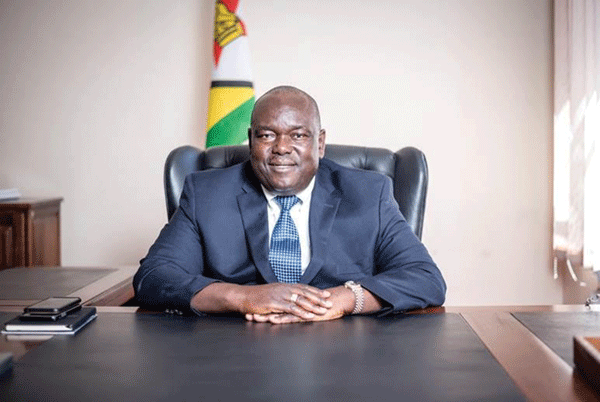
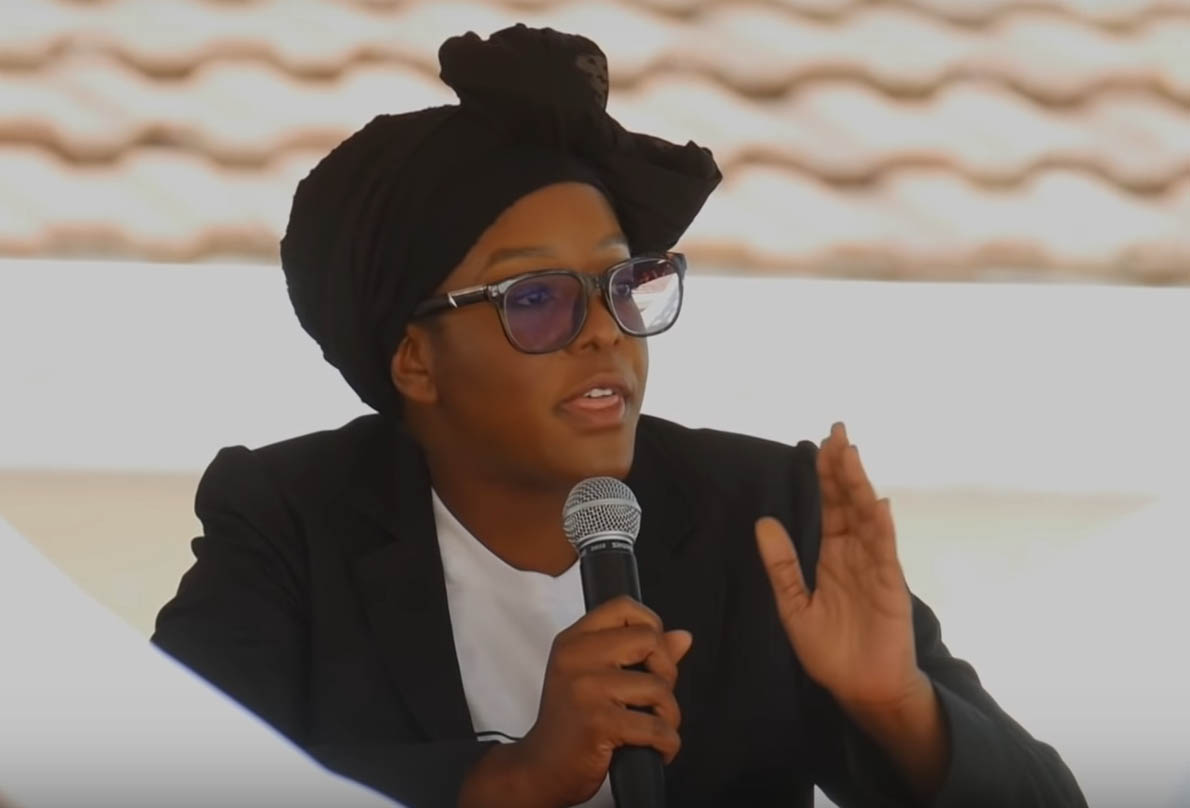
Advocate Thabani Mpofu is a lawyer practicing in Zimbabwe’s superior courts