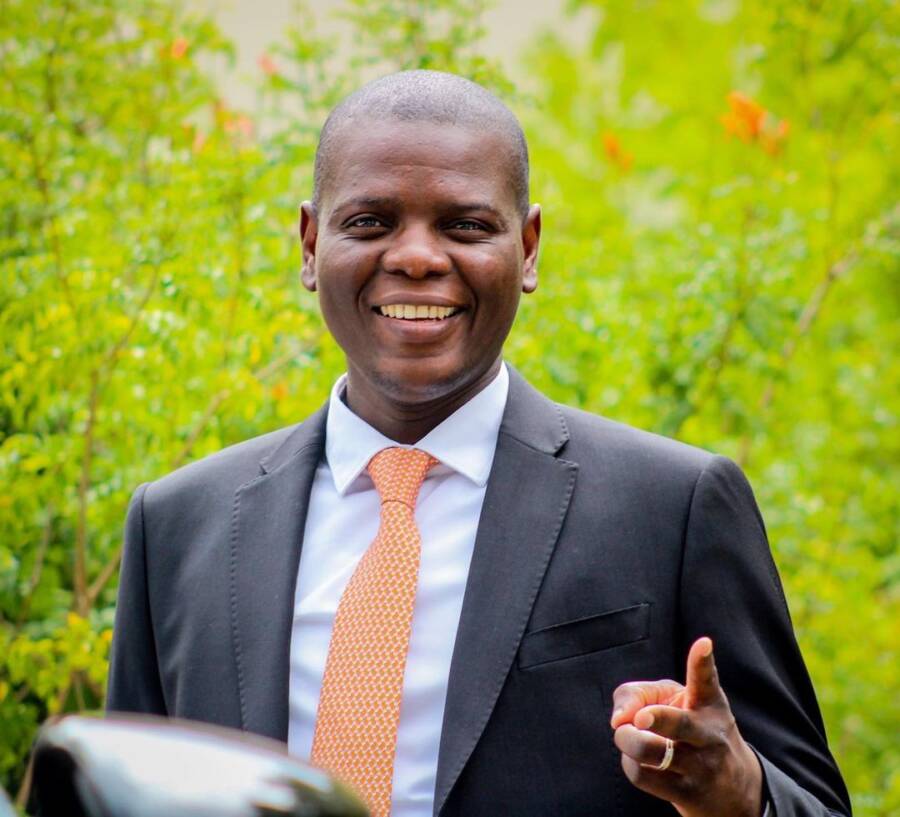
PRETORIA, South Africa – South Africa has hit back at Ghana’s move to place a debate on xenophobic attacks against African nationals on the agenda of the African Union’s Mid-Year Coordination Meeting, describing the escalation as regrettable and warning that Pretoria will propose its own counter-agenda item if the matter proceeds.
In a media statement issued on Friday by the Ministry of International Relations and Cooperation, South Africa acknowledged Ghana’s formal request, addressed to the AU Commission Chairperson, for the upcoming summit in Cairo on June 24, 2026, to take up what Accra calls “Xenophobic attacks in the Republic of South Africa against African nationals.”
But Pretoria pushed back firmly, saying it “finds Ghana’s decision to escalate concerns about irregular migration to the African Union regrettable,” given what it described as ongoing diplomatic engagement between the two countries at ministerial level.
South Africa’s foreign minister Ronald Lamola had held direct talks with his Ghanaian counterpart following a spate of incidents earlier this month in which immigrants, including African nationals, were targeted by community members.
The government said it moved swiftly to condemn the confrontations and directed law enforcement to act.
Pretoria also disputed claims circulating on social media that Ghanaian and Nigerian nationals were killed during the unrest.
“There is no credible evidence to draw this conclusion at this stage,” the statement said, cautioning against “manipulated footages and divisive narratives including fake videos.”
Should the AU nonetheless place the matter on its agenda, South Africa said it would counter by proposing a debate on the “push and pull factors of migration, including good governance, rule of law, and democracy” – a framing widely read as redirecting scrutiny toward the governance failures in origin countries that drive irregular migration.
Ghana’s letter, signed by foreign minister Samuel Okudzeto Ablakwa on May 6, had made an emotive appeal to pan-African solidarity, arguing that xenophobic violence against fellow Africans was a clear violation of the African Charter on Human and Peoples’ Rights and undermined the spirit of continental integration.
Ablakwa invoked Kwame Nkrumah’s vision, writing that Africa’s emancipation “can only be achieved when Africa unites” and that the aspiration “begins with a collective resolve to ensure that no African is dehumanised on African soil.”
Ghana called on the AU to establish a factfinding mission to examine the root causes of xenophobic violence in South Africa, strengthen monitoring mechanisms, and facilitate dialogue and reconciliation initiatives.
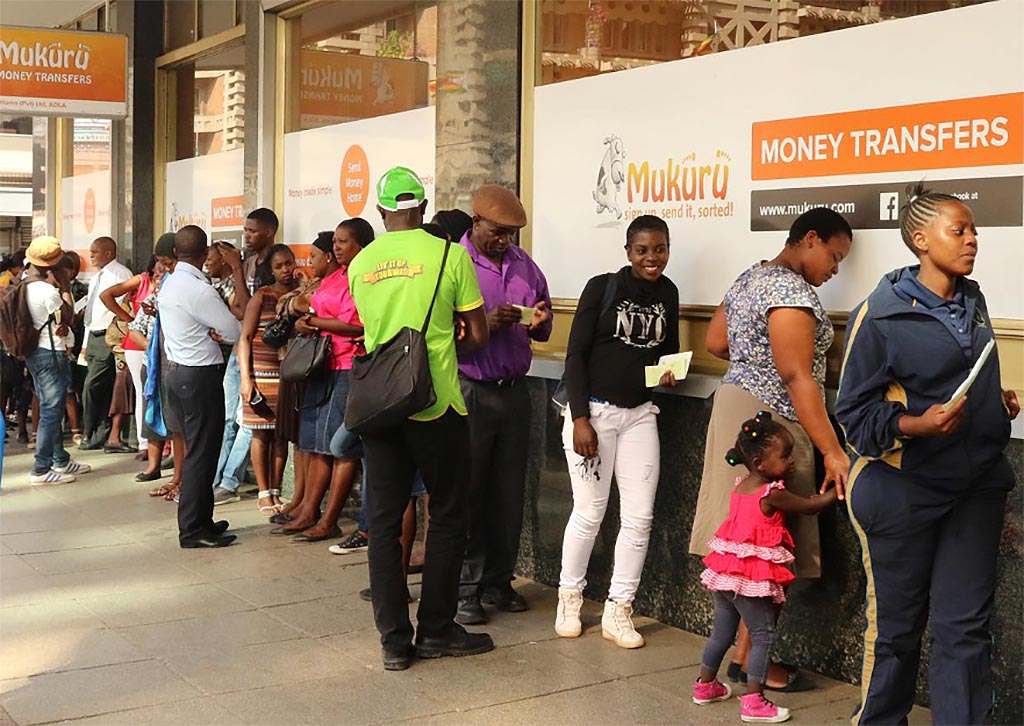
South Africa’s response reframed the issue as a migration management problem rather than a xenophobia crisis. The statement noted that South Africa hosts approximately three million migrants – 90 percent from the African continent – making it the largest host of African immigrants in the world.
Pretoria argued that economic anxieties around unemployment and service delivery, combined with large numbers of undocumented migrants, had contributed to periodic tensions. It pointed to reform measures underway, including a White Paper on Migration, a points-based visa system, an Intelligent Population Register, and the adoption of a “First Safe Country” principle for refugee protection.
Since April 2023, the Border Management Authority has deported 500,000 people, the statement said.
In a notable rhetorical move, South Africa pointed out that some of its proposed immigration measures mirror legislation already adopted by Ghana, including economic protection laws that reserve certain sectors for citizens.
President Cyril Ramaphosa had addressed the violence directly on Freedom Day – April 26, 2026 – acknowledging Africa’s support for South Africa’s liberation struggle.
“We did not walk alone into freedom,” he said. “It cannot be, and it must never be, that we trample into the dust the African fellowship that made our freedom possible.”
Minister Lamola echoed that position, saying South Africa would “continue to lead with a Pan-African heart. Our commitment is to solidarity, the rule of law, and the safety of all who reside within our borders. Migration must be managed through cooperation, compassion and continental responsibility.”
The AU Mid-Year Coordination Meeting is scheduled for June 24 to 27 in Egypt.