
THERE is something almost unbearably tragic about the children of power in broken countries. Not because they are wealthy, as wealth, in itself, is morally neutral. But because they often perform wealth as if the poverty around them were invisible. As if hunger were background noise. As if collapsing hospitals, unemployed graduates and exhausted mothers selling vegetables by the roadside were merely scenery in the theatre of their abundance.
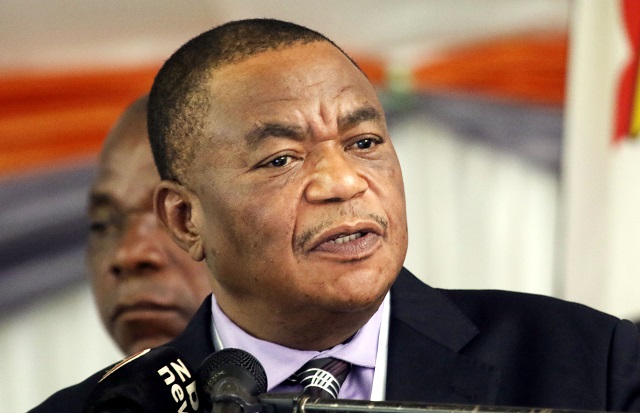
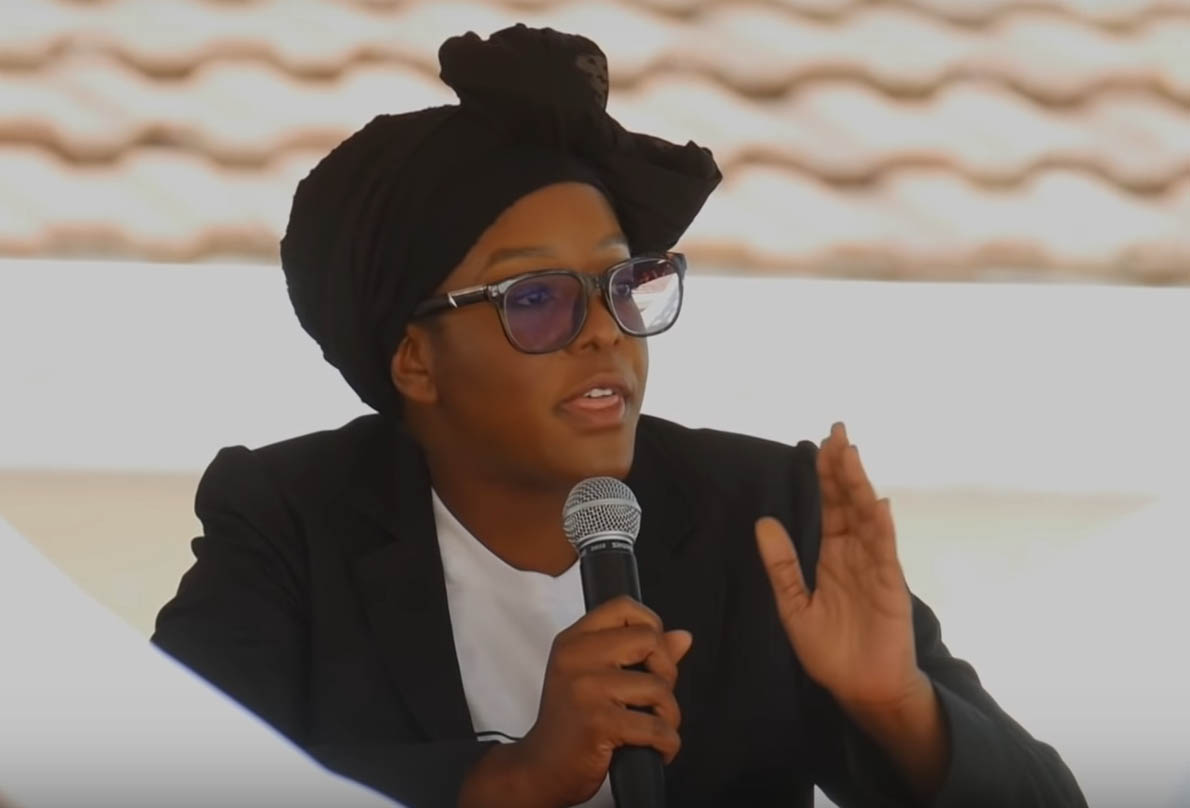
And so one watches the unfolding spectacle surrounding Zimbabwean Presidential adviser Paul Tungwarara and his 18 – year old daughter Tino with a mixture of fascination, disbelief and growing national discomfort. This week, Zimbabweans were treated to a social media performance so grotesque in its symbolism that it felt less like youthful carelessness and more like a case study in elite detachment.
In a video that has gone viral, Tino Tungwarara and her young brother buried US$100 notes in the ground before inviting ordinary people to come and dig them out like contestants in some strange treasure hunt. The imagery alone was staggering. Money, in a country where families skip meals, where graduates wander the streets without work, where nurses and teachers survive on impossible salaries, reduced to a game, a spectacle.
The public reaction was immediate. Not merely anger, but bewilderment. Zimbabweans were left asking themselves what kind of environment produces children so disconnected from the emotional reality of their own country that they can transform desperation into entertainment.
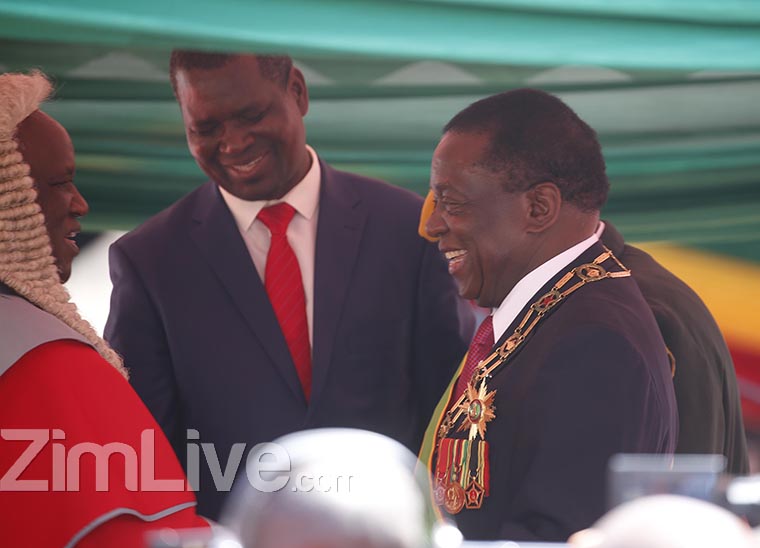
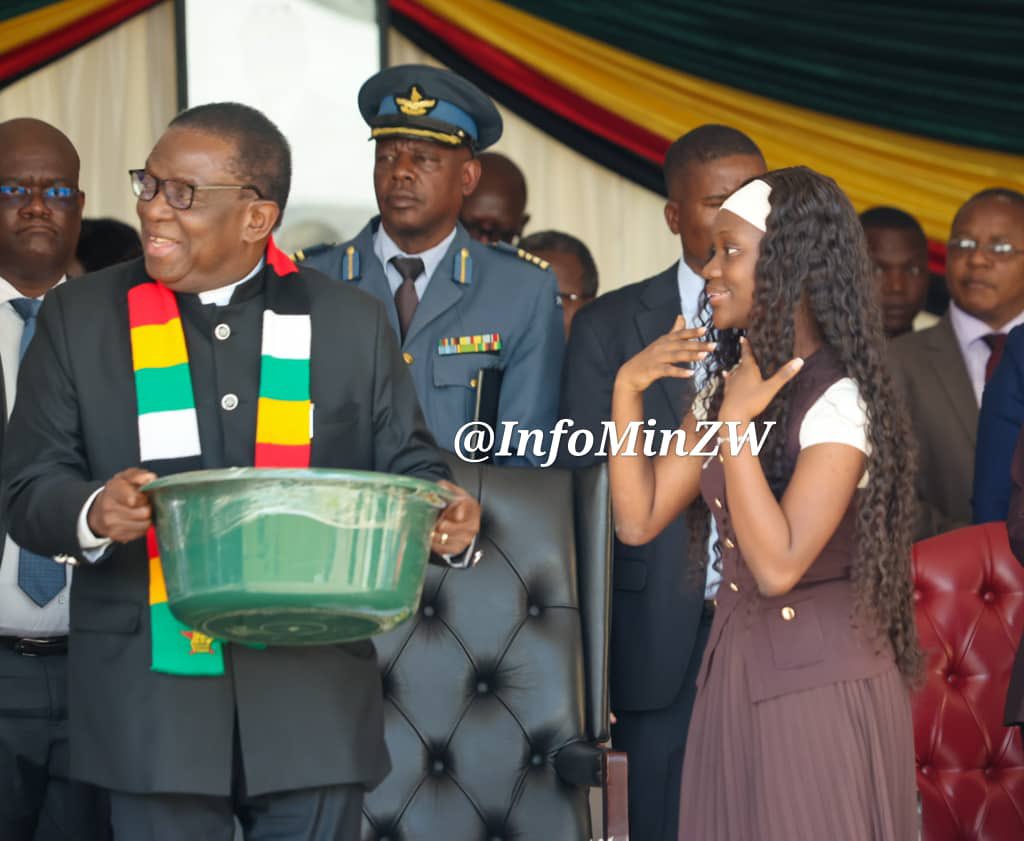
And then, as if the nation had not already absorbed enough humiliation, another scene unfolded the following day at the commissioning of a newly refurbished nurses wing at Parirenyatwa Hospital by President Emmerson Mnangagwa himself. There, in the middle of a public institution that has itself become symbolic of Zimbabwe’s healthcare struggles, nurses were told to dance for money by the the teenager, in scenes that many citizens found deeply degrading. The symbolism could not have been more brutal. Nurses, among the most overworked and underpaid professionals in the country, transformed into props in a performance of wealth.
What made the moment even more unsettling was the visible approval surrounding it. Tino’s parents sat there watching with admiration as the spectacle unfolded. No discomfort, no intervention and no instinctive recognition that something about the scene was profoundly inappropriate for the times Zimbabweans are living through. And yet this was all taking place under the banner of philanthropy. As CEO of Prevail Mart, a supermarket chain, Tino Tungwarara used the occasion to donate grocery hampers to the hospital. In her remarks she reportedly declared, “the community is happy, the people are happy.”
But one suspects that this is precisely the problem with insulated elites, they often mistake orchestrated applause for public sentiment. They stop hearing the murmurs beneath the cheering and they stop recognising humiliation because they themselves are no longer capable of feeling it.
Because the truth is, Zimbabweans are exhausted. Civil servants, ordinary young people and families are exhausted. And in exhausted societies, extravagance ceases to look aspirational, it begins to look provocative.
One keeps asking, what conversation happens in that home? What does a father say to a daughter who flaunts opulence so publicly while the country outside the gated walls groans under economic despair? More importantly, what does he not say?
Because parenting is not only about provision, it is about moral instruction. It is also about teaching restraint, proportion and empathy, especially in countries like Zimbabwe, where inequality is lived humiliation.
There is a particular kind of deafness that emerges among political elites in struggling societies. Not physical deafness, but moral deafness. The wealthy stop hearing the emotional temperature of the nation. They become insulated not only by money, but by proximity to power. They mistake public silence for admiration and confuse visibility with affection. They begin to believe that because people are watching, they are celebrating. But often the watching is anthropological.
Citizens observing the ruling class the way one studies a distant species, curious, bewildered, resentful.
And perhaps that is the real question here. Is this ignorance? Is it pride? Or is it something more dangerous, the normalization of moral disconnection?
The buried-money episode was particularly revealing because of what it communicated subconsciously. Not generosity or philanthropy, but spectacle. Wealth transformed into entertainment and poverty transformed into audience participation.
The Parirenyatwa incident cut even deeper because our hospitals occupy sacred emotional ground, because citizens know what it means to sit helplessly beside a relative because medication is unavailable. They know what it means to bring their own bandages to public hospitals. They know the exhaustion of nurses who continue showing up despite impossible working conditions. To then witness those same workers dancing for cash at a public event felt, to many, like a metaphor for the broader condition of the nation itself, survival performed for the amusement of the powerful.
Yet the more troubling figure remains the father.
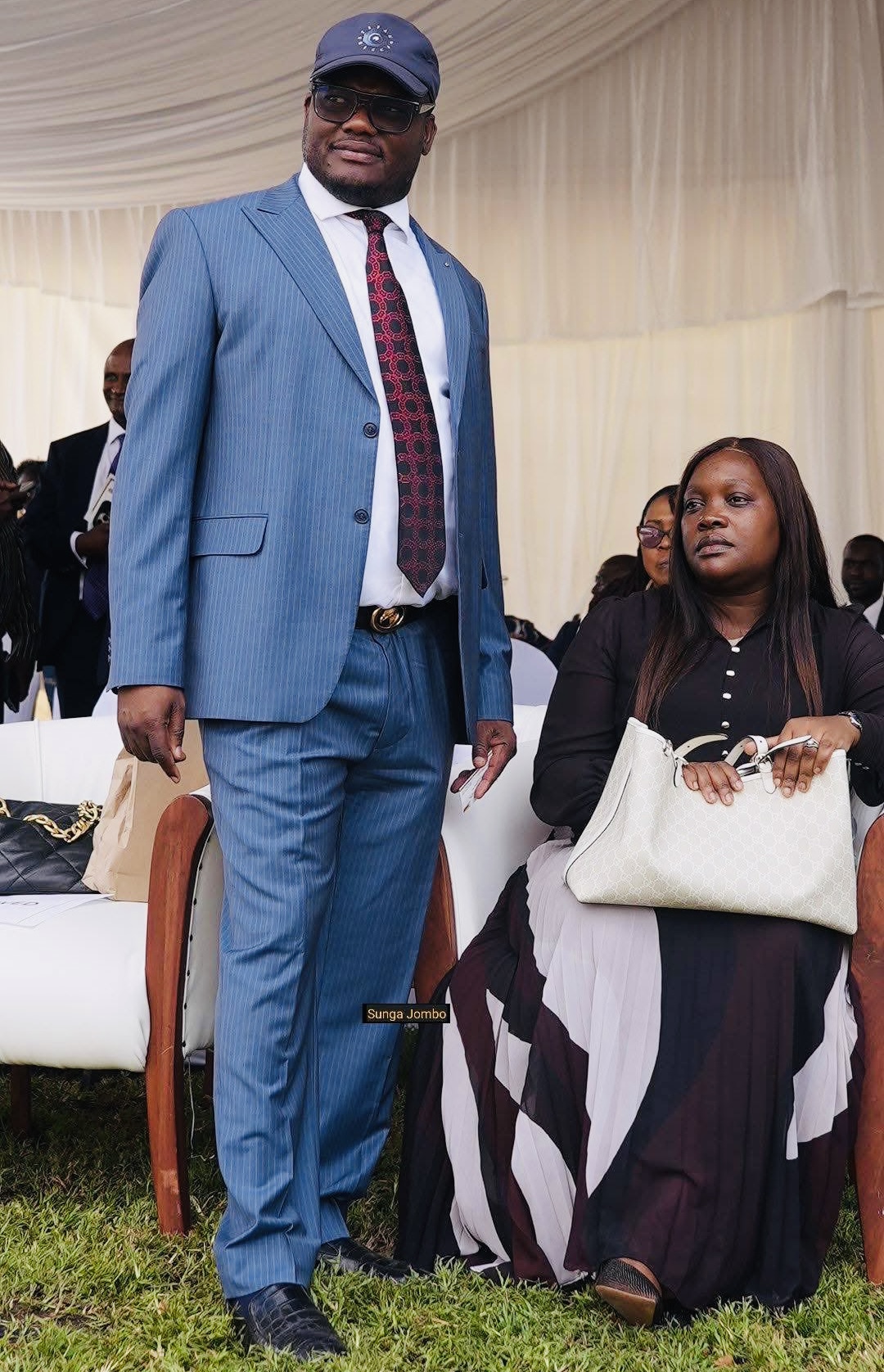
Paul Tungwarara is not merely a businessman watching his daughter’s online antics from a distance. He is a Presidential adviser, a man entrusted, presumably, with helping shape the judgement and political instincts of the Head of State. Advisers matter because they are meant to interpret the mood of the nation. They are supposed to understand symbolism, public sentiment and the delicate emotional contract between leaders and citizens.
Which raises an uncomfortable question, if a man cannot recognise the vulgarity of flaunting excess in front of struggling nurses at a public hospital, how reliable can his political instincts truly be? If he sees nothing troubling about children burying money for sport while millions battle economic hardship, what exactly is he hearing when ordinary Zimbabweans speak? More worrying still, what kind of advice does such a man give a President?
Because governance is not only about policies and speeches. It is also about emotional intelligence. It is about understanding when public behaviour wounds people psychologically. A tone-deaf adviser can become dangerous precisely because he normalises excess at the highest levels of power. He convinces leadership that the public is content when in reality the public is merely tired.
There is also the possibility that this is not carelessness at all, but confidence. A confidence born from the belief that power shields its own from consequences. That outrage is temporary. That citizens eventually move on. That online criticism dissipates while the motorcades continue uninterrupted. If so, that may be the most dangerous condition of all, impunity wrapped in glamour.
History teaches us that ruling classes rarely collapse simply because they are poor administrators. They collapse because they lose emotional contact with the governed. Because they stop recognising the psychological violence of excess in unequal societies. Because eventually the public no longer sees wealth as aspiration, but as insult.
And perhaps that is what made this week’s images so deeply unsettling to many Zimbabweans. They were not simply about money, but the growing distance between those who govern and those who endure.