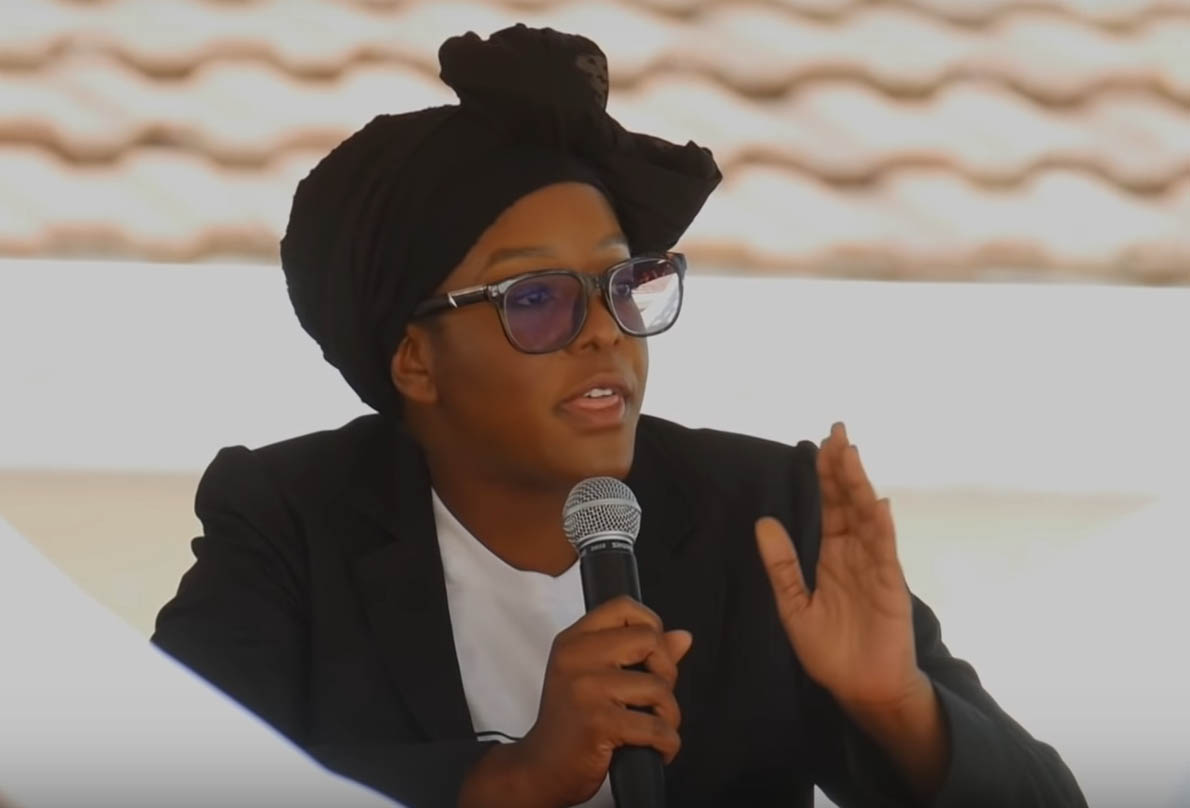

HARARE – The Zengeza West MP sparked furious interventions from Zanu PF lawmakers on Wednesday after warning that a proposed constitutional amendment would reduce the military to the level of a private security company, as parliament debated the Constitution of Zimbabwe Amendment (No. 3) Bill.
Citizens Coalition for Change MP Innocent Zvaipa told the National Assembly that clause 16 of the bill dealing with duties of the military which seeks to amend the phrase “and to uphold this constitution” with “in accordance with the constitution” in section 212 of the constitution would strip the military of its independent constitutional guardianship role and reduce it to the level of Fawcett Security.
“This bill has come at the wrong time. It has come to divide people in this country. It has come to divide even Zanu PF members. It has also divided our opposition members,” Zvaipa said.
As Zanu PF members interjected demanding he withdraw the charge that the ruling party was divided, Zvaipa pressed on: “When I’m saying the bill is dividing us, I mean there is no longer unity. You see what the ruling party is doing and what I’m doing? That means we are in dispute because of this bill.
“The war veterans who fought for the country are no longer getting along because of this bill.”
He then invoked the November 2017 military coup that ended Robert Mugabe’s rule.
“In 2017, when things were not going well in this country, the army assisted us in correcting it. The army is now being withdrawn so that it comes in as a security, as a Fawcett,” Zvaipa said.
Temporary Speaker Mercy Mugomo immediately ordered Zvaipa to “sit down” and yielded the floor to Justice Minister Ziyambi Ziyambi, who rose angrily.
“I think that if people rise to contribute, they must say things that are there, not things that are from their mind or to show their foolishness. Nothing in the bill says the army is now Fawcett. The Honourable Member must withdraw that statement,” Ziyambi charged.
Zvaipa refused to back down, turning his response on the minister: “You have been saying that I’m a fool; what does a fool know? You want a foolish man to withdraw?”
Ziyambi last week presented the amendment as a strengthening, not a weakening, of civil-military relations.
“It has been suggested that this weakens the constitutional position of the military. The truth is precisely the opposite,” he told National Assembly.
“The amendment strengthens the subordination of the military to the constitution.”
The minister argued that the old wording was the real anomaly.
“Either the defence forces are subject to the constitution, or they are a core equal guardian of it, standing alongside the elected president, the elected parliament and the courts. If they are subject to the constitution, as in every constitutional democracy, they must be in accordance with the constitution,” Ziyambi said.
Beyond the military clause, CAB3 would extend the terms of parliament and the president by two years from 2028 to 2030 and scrap direct presidential elections in favour of a parliamentary vote.
The amendment would also allow the president to appoint an additional 10 senators, expanding his control of the legislature.
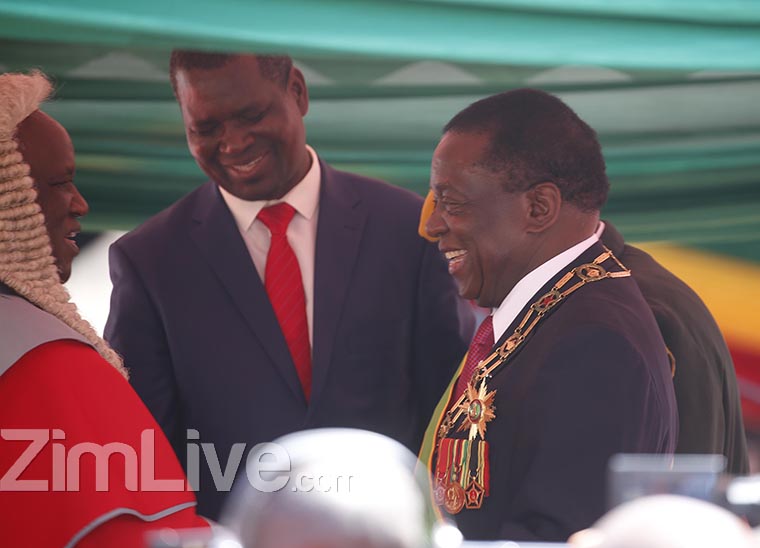
President Emmerson Mnangagwa, 83, is constitutionally required to step down in 2028 after serving two five-year terms, but his supporters want to extend presidential terms from five years to seven.
Political analysts expect the bill to pass. The CCC won 103 seats in the National Assembly and 27 in the Senate in the 2023 elections, but the party was hijacked by Sengezo Tshabangu, styling himself secretary general, with backing from the Zanu PF Speaker Jacob Mudenda and the courts, leading to the recall of dozens of lawmakers.
Zanu PF mopped up most of the vacated seats in by-elections, securing a two-thirds majority in the lower house. It also controls the Senate through traditional leaders and other proxies who generally vote with it, giving it the numbers to change the constitution.
Zvaipa is among a growing bloc of CCC MPs who have rejected the bill outright. Others voting against include Karenyi Kore, Leslie Mhangwa (Chinhoyi), Agency Gumbo (Hatcliffe), Gladys Hlatywayo (PR Harare), Joanah Mamombe (Harare West), Darlington Chigumbu (Budiriro South), Thomas Muwodzeri (Ruwa), Blessing Ropadadzo Makumire (Chiredzi Central), Edwin Mushoriwa (Dzivarasekwa), Shakespear Hamauswa (Warren Park), Mutsa Murombedzi (PR Mashonaland West), John Kuka (Mkoba South), Corban Madzivanyika (Mbizo) and Brian James (Mutare Central).
A separate group of CCC MPs has backed the bill, which would keep them in parliament until 2030: Susan Matsunga (Budiriro North), Juliana Makuvire (PR Harare), Samantha Mureyani (PR Manicaland), Vusumuzi Moyo (Hwange West), Sithabisiwe Moyo (PR Matabeleland South) and Sichelesile Mahlangu (Pumula).
CCC MPs speaking against the bill risk further recalls by Tshabangu, whose alliance with Zanu PF has already gutted the opposition’s parliamentary presence.
Former CCC leader Nelson Chamisa commented on the debates, saying he was “impressed by some young people there,” adding: “It’s really a proud moment. But also hugely embarrassed by the hired ones.”