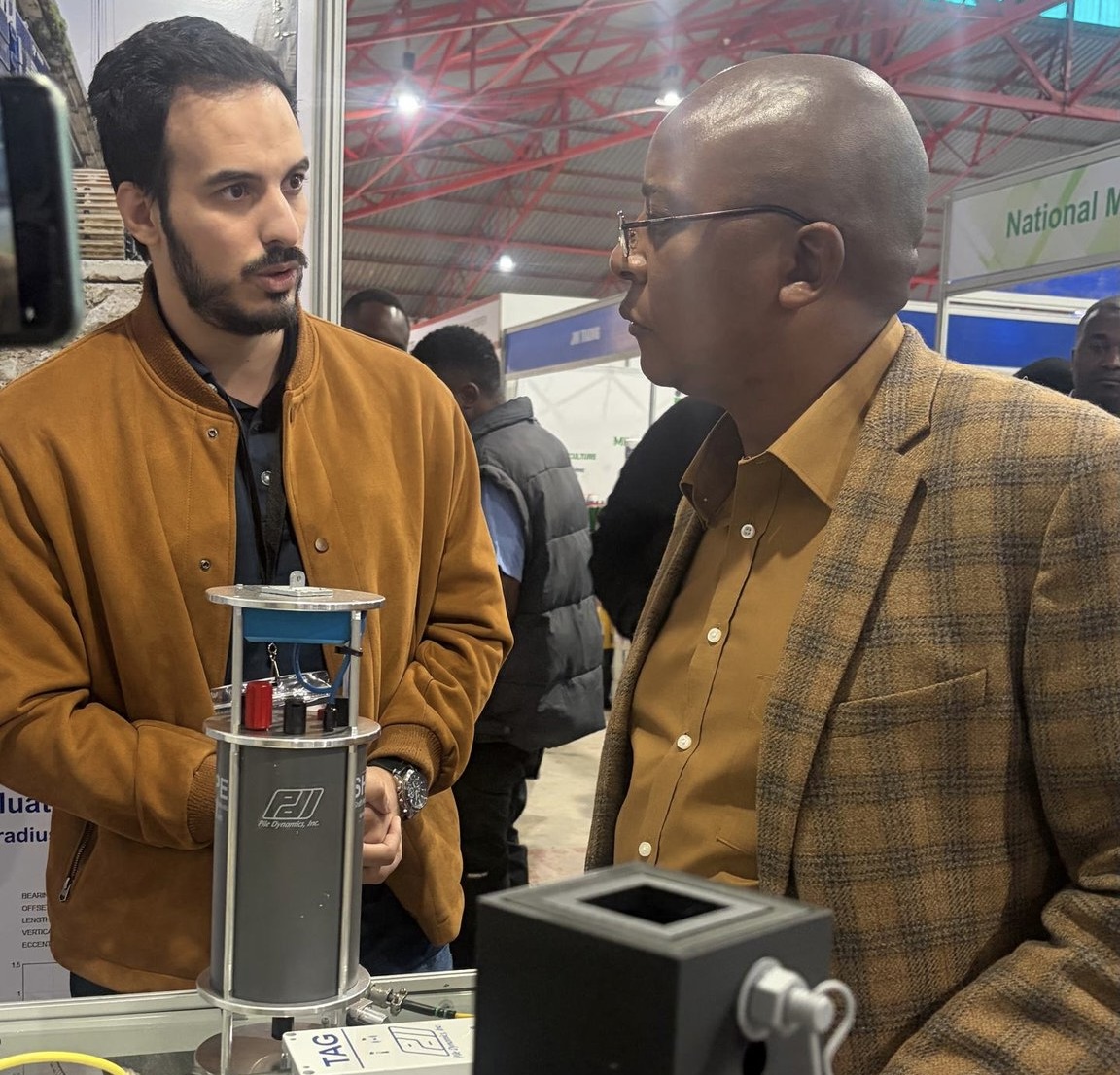
BULAWAYO – Zimbabwe is turning to artificial intelligence, drones, and advanced geoscience technologies to accelerate mineral exploration and improve the discovery of new deposits, mines minister Polite Kambamura has said.
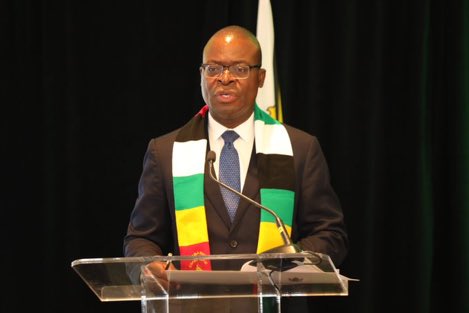
Addressing the inaugural Exploration Forum at Mine Entra 2026 in Bulawayo on Thursday, Kambamura said emerging technologies would help modernise exploration by making geological surveys faster, safer and more efficient.
He said technology would complement rather than replace the work of geologists as Zimbabwe seeks to unlock its mineral potential and attract investment into the sector.
“Emerging technologies such as drones, artificial intelligence, and advanced geoscience tools will not replace geologists. Instead, they will enable safer, faster, more efficient, and more productive exploration and geological surveys over vast and often inaccessible areas,” Kambamura said.
The minister said Zimbabwe needed to embrace innovation as it seeks to reverse decades of limited systematic mineral exploration that had slowed the discovery of new resources.
He said the country had significant geological potential but required modern tools, investment, and strategic partnerships to convert that potential into operating mines.
“We need financing for exploration because exploration financing is the bridge between geological potential and mine development,” Kambamura said.
He said the government was working to rebuild and modernise the country’s geological database through a digital repository that would integrate historical records, institutional documents, and mineral resource information.
Kambambura said a significant amount of geological maps, records, samples, and datasets had left Zimbabwe before and after Independence through bilateral missions and other international programmes.
“Some became part of public institutions abroad, others remained in private collections, while many have never been returned,” he said.
The minister said the use of modern technology would be central to developing a stronger national geological knowledge system and improving decision-making in mineral exploration.
The government’s exploration strategy is aimed at creating a pipeline of bankable mineral projects, and linking new discoveries to downstream processing and beneficiation.
Chamber of Mines of Zimbabwe president Fungai Makoni has also called for greater focus on beneficiation, saying local processing of minerals was critical to unlocking the sector’s full economic potential.
Makoni said that value addition would strengthen industrial capacity, increase exports, and ensure Zimbabwe captures greater benefits from its mineral resources.
Mining remains a major pillar of Zimbabwe’s economy, with mineral exports accounting for a significant share of the country’s foreign currency earnings. Gold, platinum group metals, lithium, diamonds and ferrochrome are among the key minerals contributing to export revenue, while the sector also supports thousands of jobs and downstream industries.