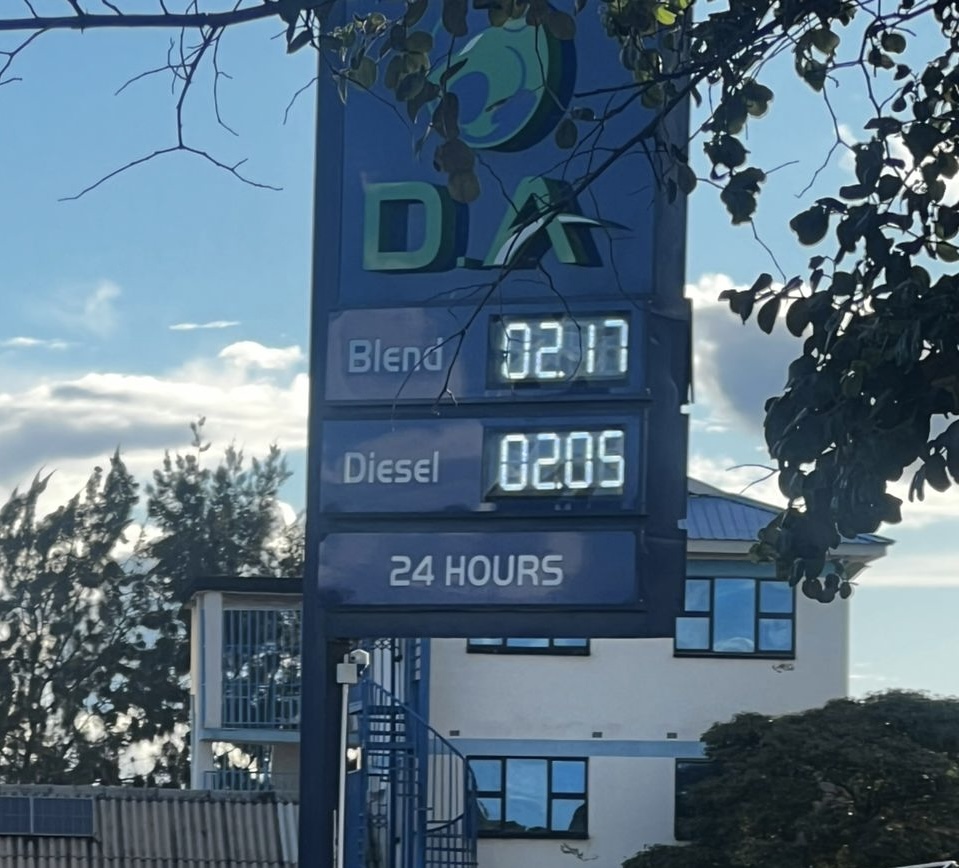
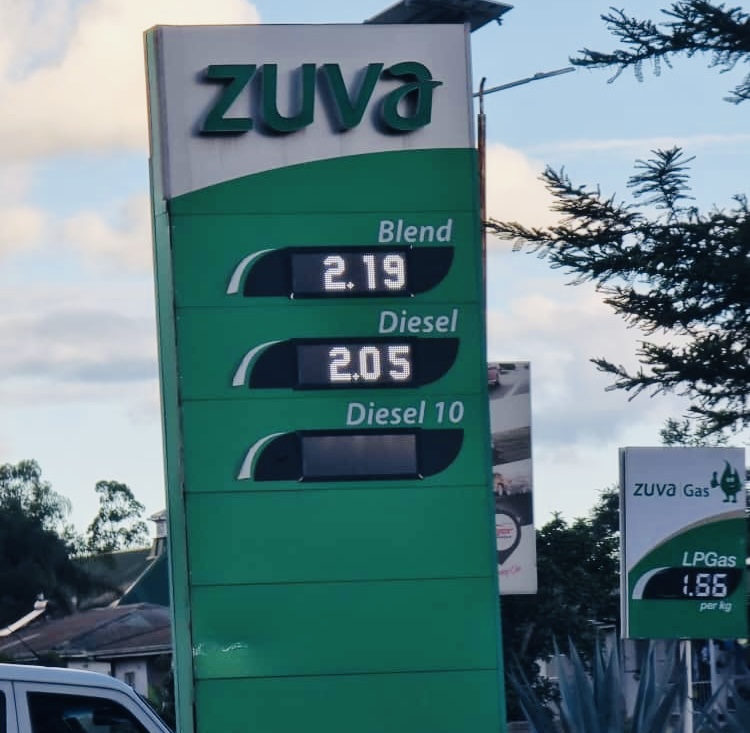
THE fuel price increases announced by the Zimbabwe Energy Regulatory Authority on Wednesday are as shocking as they are understandable. Shocking in the sense that inevitably they are inflationary, against static wages.
Apart from higher pump prices, higher fuel costs will be transmitted right across the whole economy. This is why fuel is regarded as the most inflationary commodity. Understandable in that the upward review stems from a known exogenous shock, against which Zimbabwe has little control, much like the rest of the world.
Yes, we can debate the quantum of fuel adjustment, but not the necessity of it against outward global fact. I was among the first to point out the US/Israel war of aggression against Iran is one hell of a conflict too near for us to ignore. The reaction from the citizenry has been one of shock and exasperation. Again, that is understandable.
Exasperation because the fuel-based tax built into our fuel pricing formulae does reach everyone, and places our pump price above everyone else, including jurisdictions to the north of us whose fuel imports travel farther and through our own territory. This is why the debate is now less and less about global fuel prices and more and more about how these interact with our fiscal policy.
The timing could not have come at a worse time. Just this Tuesday, cabinet removed or reduced a whole raft of charges on various services in the hope of improving the cost of doing business. What that means if that the revenue base continues to shrink, and with it, the state’s ability to supply public goods and services, and to meet the costs of running government.
This last dimension is what is not coming through the debate and call to reduce fuel-based charges, namely that the cost the citizen escapes in the form of fuel taxes, catches up with him/her by way of a cutback on social services, like health and other amenities or public goods. It is a balancing act, more-so now as there is a concerted effort to revamp the health sector following the president’s historic surprise tour to our central hospitals which had deteriorated to parlous state.
As we debate options, let us keep this other side of public expenditure in mind, while appreciating the need to keep the momentum on economic growth in mind, in a situation of ongoing efforts to recapture the informal sector into the tax net.
Above all, let us focus on the real elephant in the room, namely that our economy is unduly susceptible to external shocks. This last yet critical dimension gets us to focus on areas which really matter. Like the Muzarabani gas project! Like the transition to cheaper sources of energy. Like the shift to electric vehicles. Like doing many things with our coal. Most nations are taking this high road, spurred by this latest shock.
While the immediate response might take the form of tinkering with taxation, we must remain focused on strategic responses in the medium to long term.
George Charamba is the spokesperson in the Zimbabwe presidency