
HARARE – A human rights activist has filed a High Court application seeking a declaratory order that key clauses of the Constitution of Zimbabwe Amendment (No. 3) Bill cannot lawfully be enacted without first putting them to a national referendum, directly challenging the government’s position that no such vote is required.
The application, filed on May 26 and backed by the Zimbabwe Human Rights NGO Forum, names Parliament, President Emmerson Mnangagwa, Justice Minister Ziyambi Ziyambi, the Zimbabwe Electoral Commission, and the Attorney General as respondents.
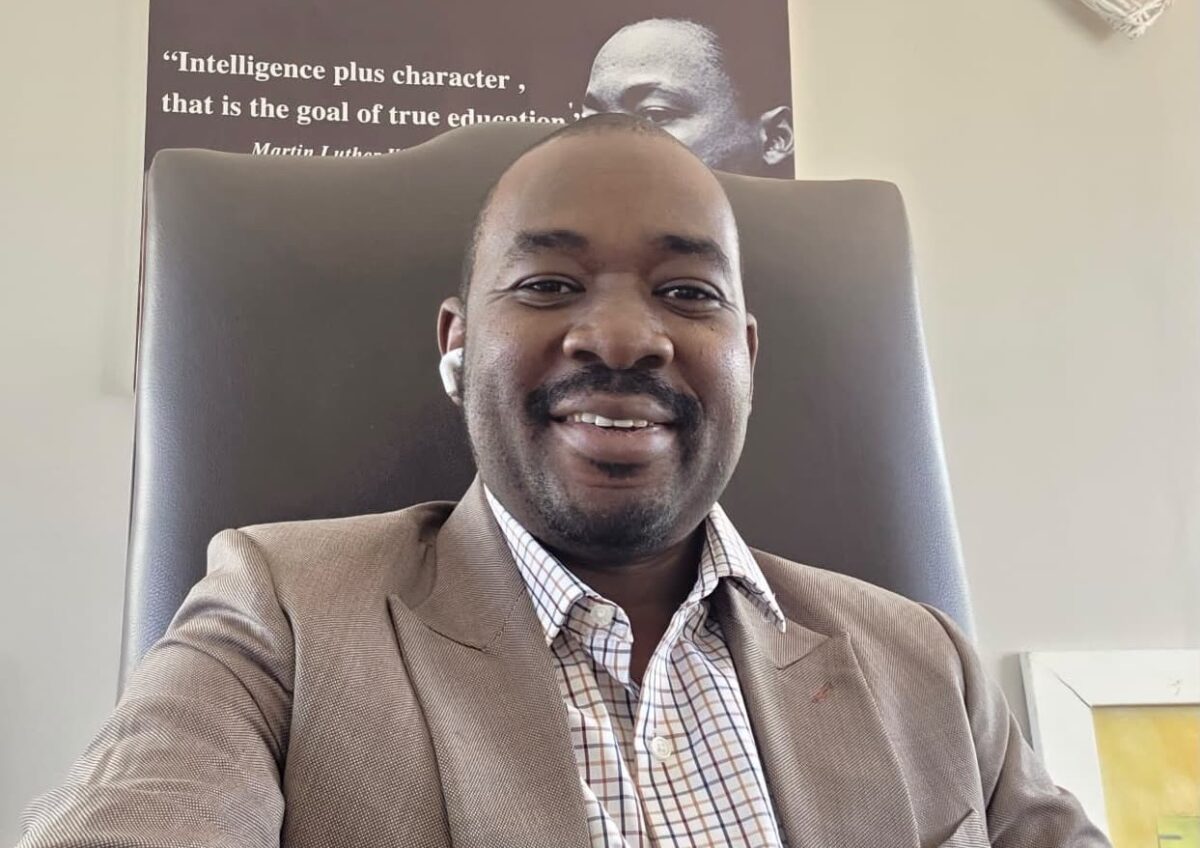
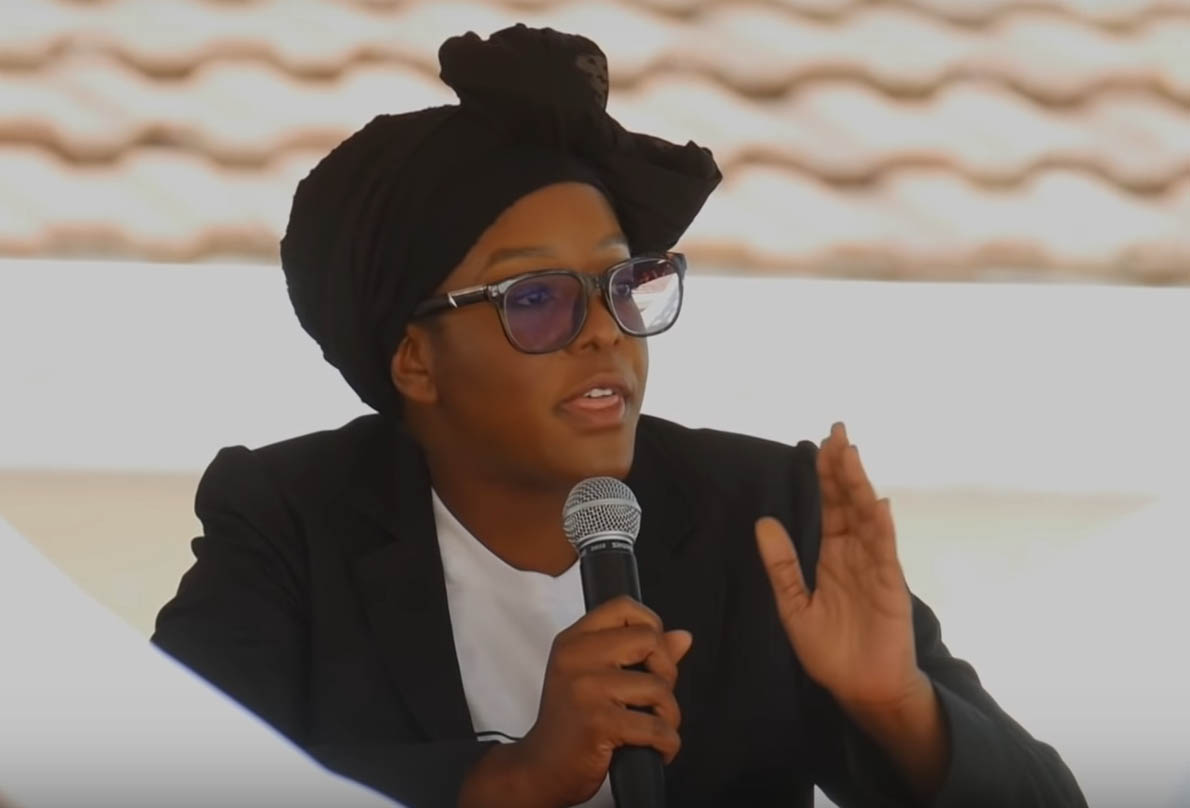
Youngerson Matete argues in his founding affidavit that his interest in the matter is “neither abstract, academic, nor hypothetical” but “a real, legally recognisable, and constitutionally protected interest” arising from his status as a citizen, a registered voter, and a beneficiary of the constitutional order.
He submits that parliament’s power to amend the constitution “is not absolute and must be exercised strictly within the limits imposed by the constitution itself,” and that any amendment process undertaken in violation of section 328 “is unconstitutional, unlawful, and invalid ab initio.”
Gazetted on February 16, the Bill proposes sweeping changes to Zimbabwe’s democratic architecture: extending presidential, parliamentary, and local authority terms from five to seven years; replacing direct popular election of the President with election by Members of Parliament; transferring voter registration from ZEC to the Registrar General; establishing a separate Zimbabwe Electoral Delimitation Commission; abolishing the Zimbabwe Gender Commission; and expanding the Senate through additional presidential appointments.
The application focuses specifically on clauses 4, 9 and 10, which deal with the term extensions. Matete argues that those clauses fall within the ambit of entrenched provisions protected under section 328 of the constitution and “cannot lawfully be amended without approval by way of a national referendum.”
Matete says section 328 “prescribes mandatory procedures governing constitutional amendments and places substantive limitations upon” parliament’s amending power. He argues that should the first to third respondents proceed with enactment without a referendum, this “will undermine constitutional supremacy, the sovereignty of the people, democratic participation, the rule of law and the procedural safeguards entrenched under section 328.”
He further submits that “the failure to subject the proposed amendments to a referendum unlawfully deprives the citizens of Zimbabwe of their constitutional right to participate directly in constitutional governance concerning entrenched constitutional provisions.”
The application also raises a notice of constitutional issues in terms of Rule 10(1) of the High Court Rules, 2021, asking the court to determine whether the respondents’ intended conduct violates sections 2, 3, and 328 of the constitution.
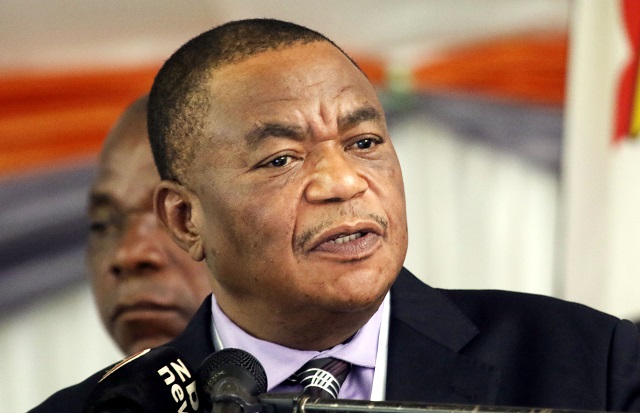
Justice Minister Ziyambi Ziyambi has been unequivocal. Speaking at a media briefing aimed at unpacking the Bill in February, he said the legislation “elongates the electoral cycle from five to seven years” and dismissed calls for a referendum as based on “baseless” claims that the Bill necessitates one as an alleged term-limit provision.
“This distinction is not merely academic, it is the bedrock of constitutional integrity,” he said.
Ziyambi pointed to section 328(6), which he said “requires a referendum only for Bills altering provisions in Chapter 4 (Declaration of Rights) or Chapter 16 (Agricultural Land),” and argued the present Bill does not engage those provisions.
“In essence, we elected to uphold the presidential term limit in its entirety, refraining from any alteration to section 91(2) or any facet of section 328, particularly subsection (7),” he said.
Paul Mangwana, a Zanu PF politburo member and former co-chairperson of COPAC, the committee that drafted the 2013 constitution, said the party was “very clear when we wrote this constitution” about which areas were protected from parliamentary amendment.
“Any other parts of the constitution which have not been protected can be amended by parliament using a two-thirds majority,” he said. “I must emphasise, these proposed amendments do not require a referendum. The constitution is very clear.”
The Law Society of Zimbabwe, in formal submissions to parliament on May 15 warned that clauses 4, 9 and 10, if adopted without a referendum, would be “inconsistent with the constitution and international law.”
The LSZ told parliament that the key provisions seeking to extend presidential and parliamentary terms to seven years “cannot be applied to incumbents without first holding a referendum.”
The Zimbabwe Catholic Bishops’ Conference, in a submission on May 12, argued that section 328(7) “was deliberately entrenched in the constitution to prevent the use of constitutional amendment powers for incumbency advantage” and that “parliament cannot bypass entrenched constitutional protections merely by inserting the phrase ‘notwithstanding Section 328(7)’ into ordinary amendment provisions.”
The bishops warned that “to permit such an approach would weaken constitutional supremacy itself and render constitutional safeguards vulnerable to temporary parliamentary majorities.”
The ZCBC called term limits “democratic safeguards designed to prevent excessive concentration of power, encourage constitutional accountability, protect peaceful democratic succession, and preserve public trust in governance,” and said the comparative African experience demonstrated that attempts to extend incumbency through constitutional amendment had “frequently contributed to democratic instability, institutional weakening, and political tension.”
The draft order asks the court to declare clauses 4, 9 and 10 constitutionally protected and unenforceable without a referendum; to interdict parliament, the president, and the justice minister from taking any further steps towards enactment or implementation of those clauses absent a referendum; and to direct ZEC to facilitate such a referendum should the clauses be passed.
Matete is represented by Advocate Wilbert Mandinde of the Zimbabwe Human Rights NGO Forum.